
What Is AEO? A Proven Guide to Answer Selection
Define AEO as the owned work of making an approved answer selectable on answer surfaces, then test selection evidence in one week.
Search Engine Optimization (SEO) is more than keywords, it’s your foundation for compounding growth. This tag explores modern SEO tactics for B2B and startup teams, including on-page optimization, technical SEO, link building, AI-first content strategy, and visibility across traditional and generative engines like Google SGE and ChatGPT.
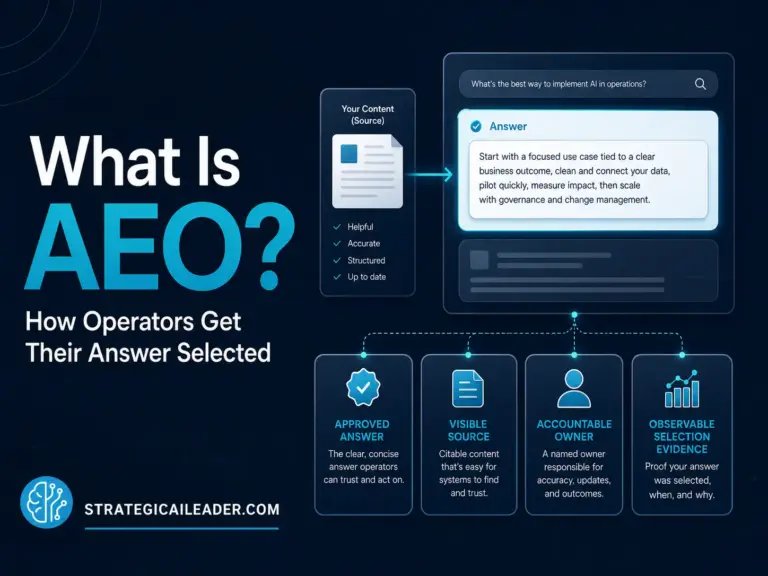
Define AEO as the owned work of making an approved answer selectable on answer surfaces, then test selection evidence in one week.
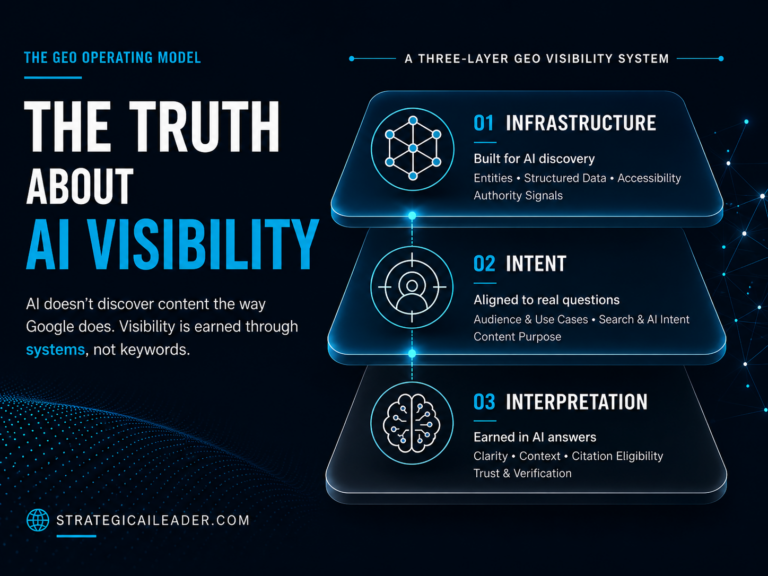
Most organizations still optimize for rankings while AI systems optimize for retrieval, interpretation, and citation trust. The GEO Operating Model explains why traditional SEO frameworks no longer fully control visibility and introduces a three-layer system for building AI citation eligibility through infrastructure, intent alignment, and interpretation architecture.
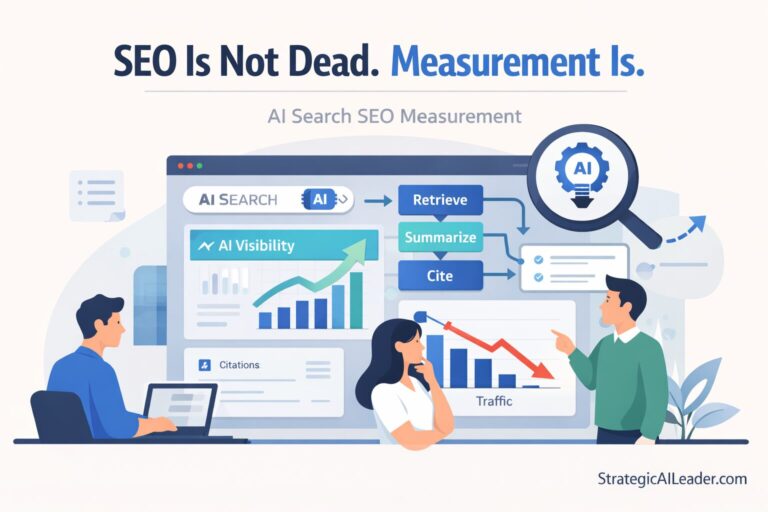
AI search decides visibility before users click. Rankings and traffic now show what’s left after AI systems retrieve, summarize, and cite content. That’s why performance can decline even when rankings hold.
This article explains how AI search changes SEO measurement and which visibility signals matter now.
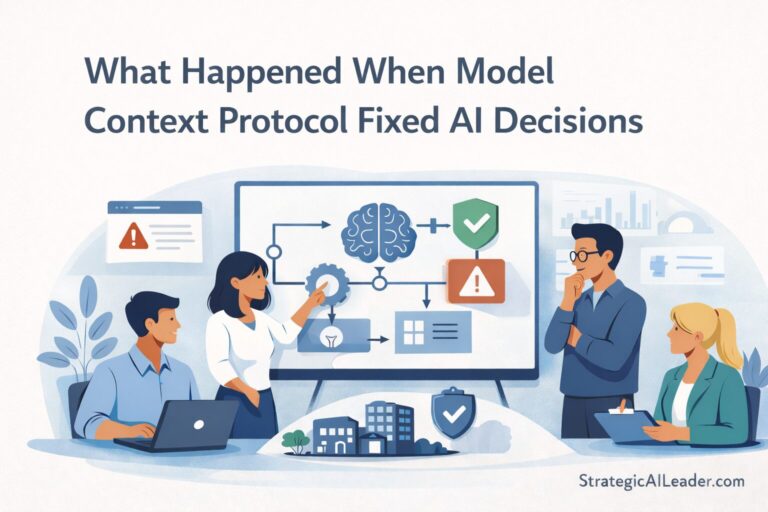
I wired an AI system into a real flower shop to see why so many AI projects collapse under real constraints. This article shows how Model Context Protocol fixed AI decisions by grounding an LLM in intent, behavior, inventory, and revenue instead of prompts and theory.
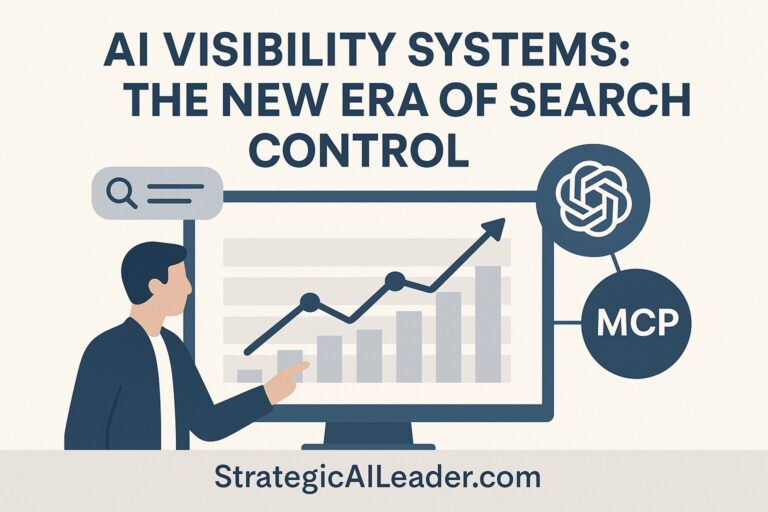
Search visibility has shifted from audits to systems. This article shows how AI Visibility Systems powered by ChatGPT and MCP let teams detect issues, explain ranking changes, and control performance in real time.

Agentic browsers are turning the web into a decision engine for AI. They don’t just display content, they read, reason, and act. Learn how this shift is redefining search, structure, and visibility for brands competing in the agentic era.
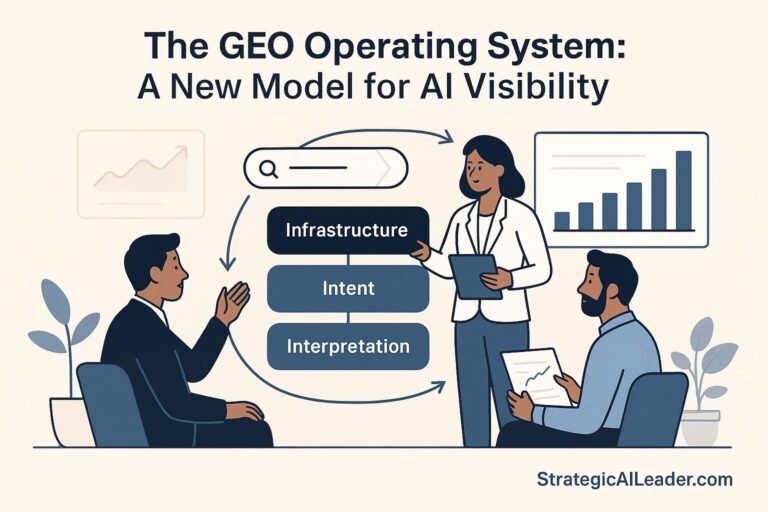
The GEO Operating System is a new model for AI visibility. It aligns marketing, IT, and PR under one framework to make visibility measurable, repeatable, and scalable. This article explains how the GEO-OS connects infrastructure, intent, and interpretation to help leaders turn fragmented efforts into a unified visibility engine.
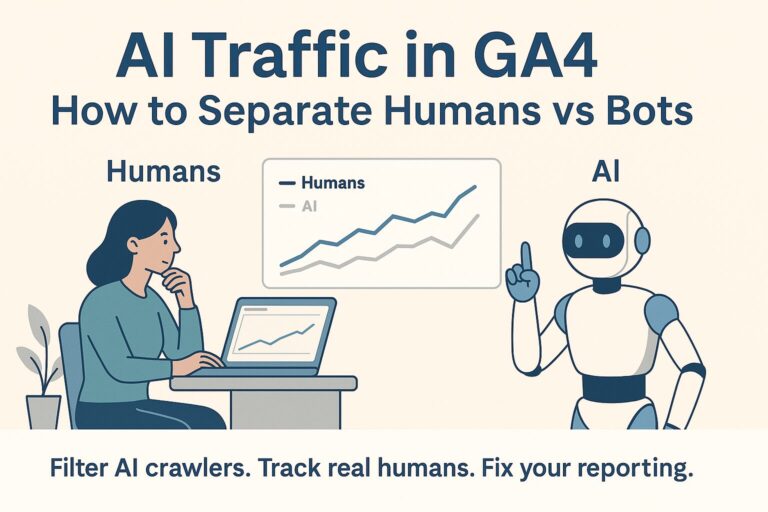
AI bots are inflating your analytics. In GA4, traffic from ChatGPT, Claude, Gemini, and other AI tools gets mixed with human visits, creating false growth signals. Without separating AI traffic from human behavior, executives risk celebrating fake gains while their real audience declines. This guide shows you how to filter AI crawlers, track AI search referrals as a distinct channel, and report human visits with accuracy.
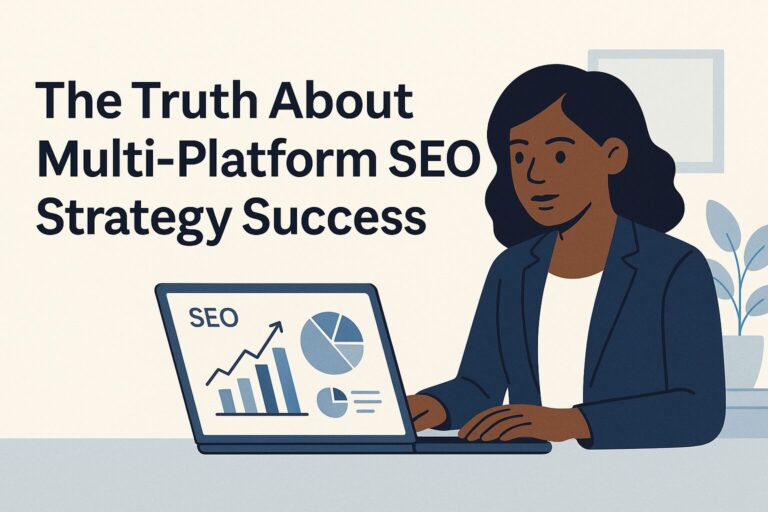
In 2025, SEO success requires more than ranking on Google. Search behavior now spans platforms like Reddit, YouTube, TikTok, LinkedIn, and AI assistants, each with unique algorithms and audience habits. This guide breaks down the rise of multi-platform search, shows how to track performance across ecosystems, and explains the tactics that win visibility — no matter where the journey starts.

Here’s a question that’s been keeping me up at night: What happens when everyone’s chasing the same AI-powered shortcuts, but the real winners are the ones who remember that humans are still doing the searching? The potential for success in human-led search strategies is immense, offering a hopeful outlook for the future. A few weeks…

Last month, I witnessed a seasoned SEO consultant grappling with what can only be described as an existential crisis. Her frustration was palpable as she struggled to understand why her meticulously crafted blog post, titled ‘Remote Work Productivity Tools,’ was being overshadowed in the SERPs by a competitor’s post titled ‘Building Focus in a Distracted…

The landscape of SEO has fundamentally shifted, with traditional keyword-centric tactics yielding to sophisticated AI-driven approaches. In ‘The Truth About AI-Driven SEO Most Pros Miss,’ Richard Naimy reveals why modern search engines, powered by AI, vector databases, and embeddings, prioritize content meaning and context over mere keywords. The article introduces the ‘VECTOR Framework’ for dominating semantic search, encompassing strategies like Vector-First Content Strategy, Embeddings Optimization, and Topic Authority Building. Discover how a B2B SaaS company achieved a 156% increase in organic traffic by embracing AI-driven SEO, and learn practical ‘quick wins’ to audit content through an AI lens and optimize for vector-friendly results. This piece underscores the urgency for leaders to transition to AI-driven SEO to gain a crucial competitive edge as traditional methods become obsolete.