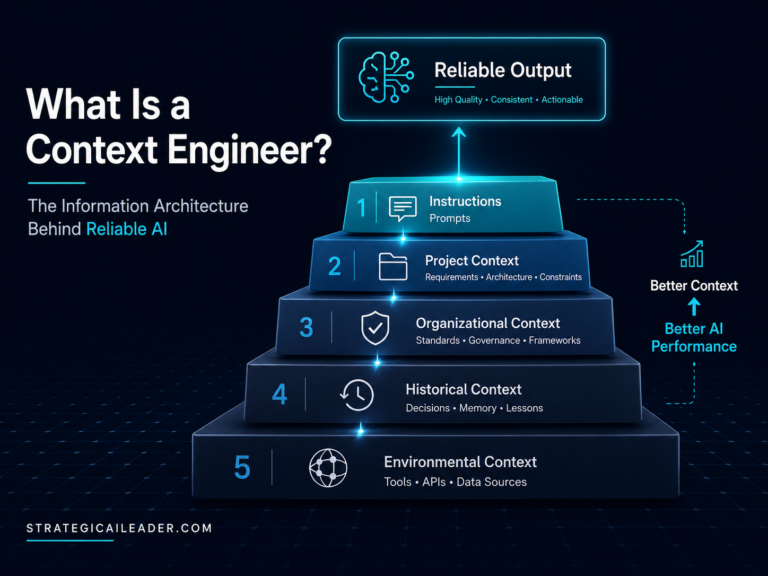
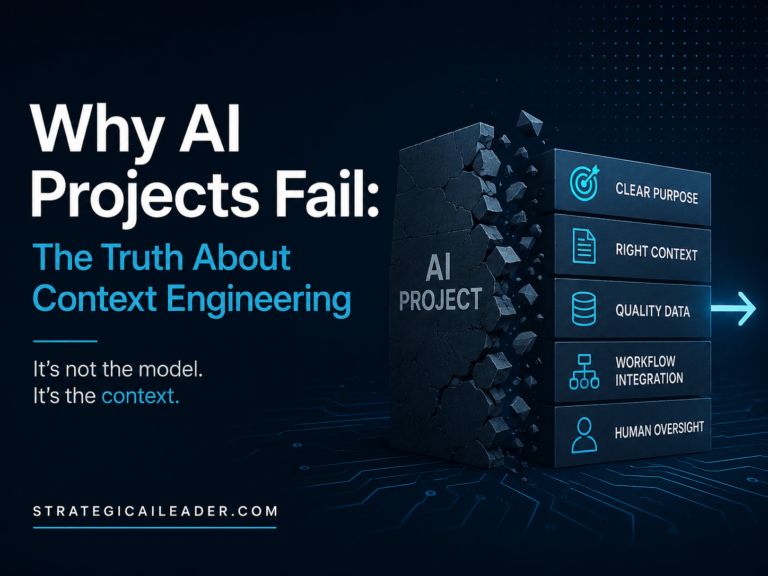
What is Context Engineering? The Truth About AI Success
Discover what a context engineer does and why context architecture matters more than prompts for AI success.
Master the art of AI strategy development—from vision to execution. This tag curates actionable insights, strategic frameworks, and leadership guidance to help operators, founders, and product leaders align AI capabilities with business goals. Learn how to prioritize use cases, allocate resources, and drive long-term value through scalable AI initiatives.
Discover what a context engineer does and why context architecture matters more than prompts for AI success.
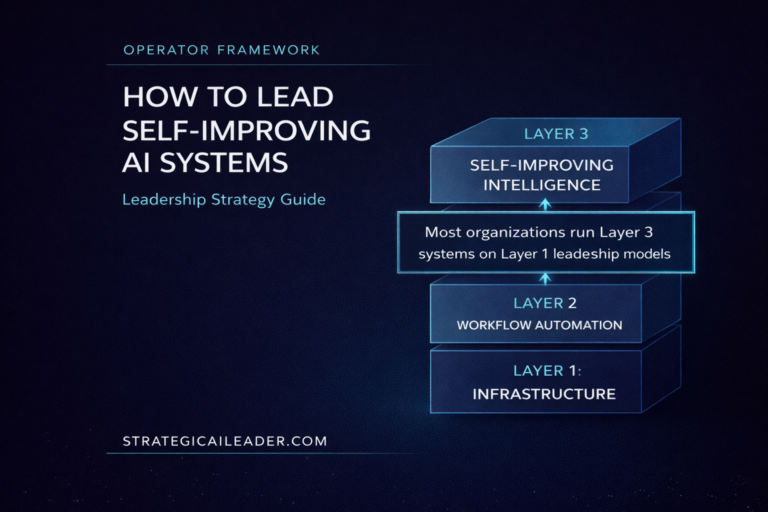
Most leaders are preparing teams to use AI tools faster. Few are preparing to supervise systems that improve themselves. This article introduces the Three Layers of AI Work framework and explains why oversight architecture, not tool adoption, determines who benefits as self-improving AI systems scale.
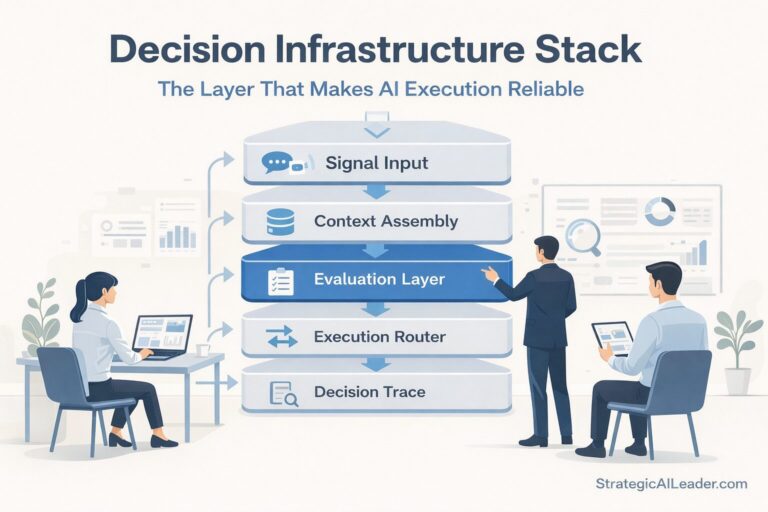
The Layer That Makes AI Execution Reliable Most operators deploying AI hit the same wall. The tools work. The prompts improve. Outputs look reasonable in testing. Then production arrives and everything becomes inconsistent. The same input produces three different outputs. Human review increases. Execution slows down instead of speeding up. The instinct is to fix…
Most agent courses teach prompts. Few teach deployment. The Agent Skill Translation Framework closes this gap through three stages. Extract converts course concepts into reusable prompt blocks and task logic. Translate refactors prompts into workflows, binds tools, and adds memory layers. Deploy runs agents inside dashboards, automation systems, and production environments. Learning becomes structure. Structure becomes agent logic. Agent logic becomes working applications.
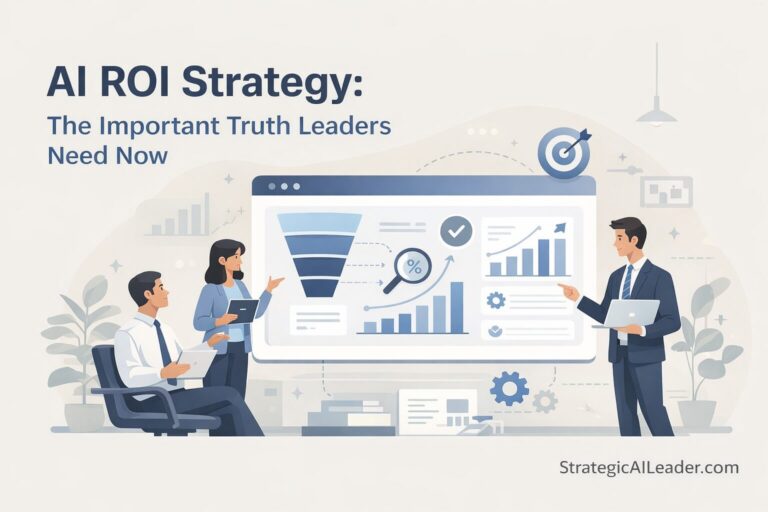
Most organizations treat AI investment returns as a tooling problem. In practice, returns follow decision architecture quality. The AI ROI Strategy Stack explains how specification, authority boundaries, execution integration, monitoring ownership, and learning loops convert automation into stable economic results instead of scaling hidden risk.
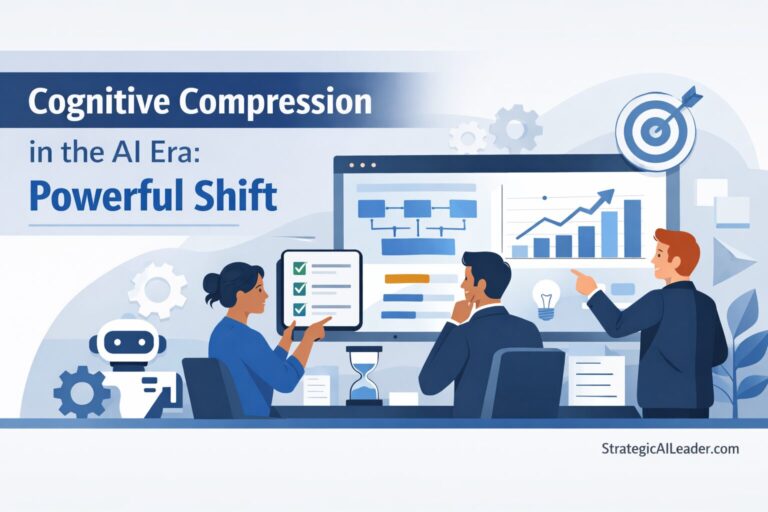
Cognitive Compression in the AI Era is reshaping knowledge work. As AI collapses execution cycles from weeks to minutes, the real bottleneck shifts to requirement quality and judgment. Leaders who redesign for structured thinking, constraint clarity, and economic alignment will outperform teams still optimizing for output volume.
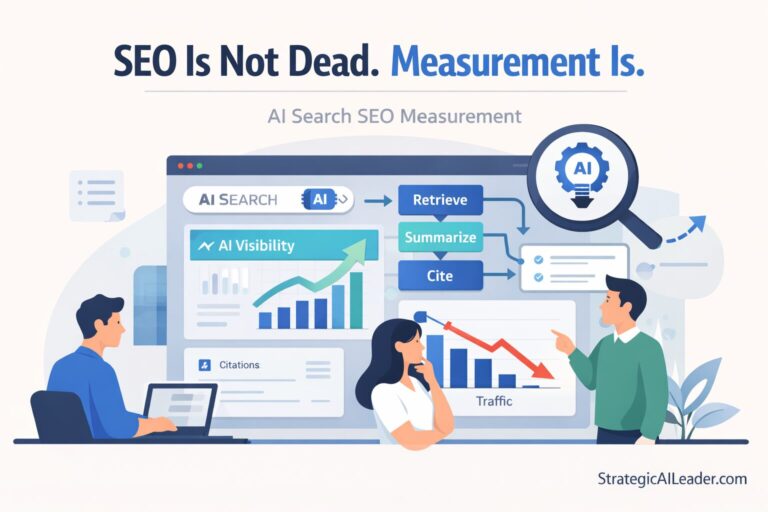
AI search decides visibility before users click. Rankings and traffic now show what’s left after AI systems retrieve, summarize, and cite content. That’s why performance can decline even when rankings hold.
This article explains how AI search changes SEO measurement and which visibility signals matter now.
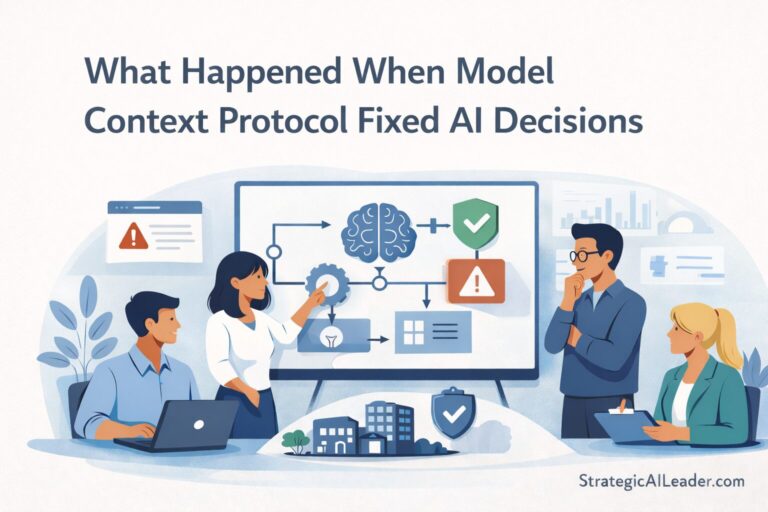
I wired an AI system into a real flower shop to see why so many AI projects collapse under real constraints. This article shows how Model Context Protocol fixed AI decisions by grounding an LLM in intent, behavior, inventory, and revenue instead of prompts and theory.
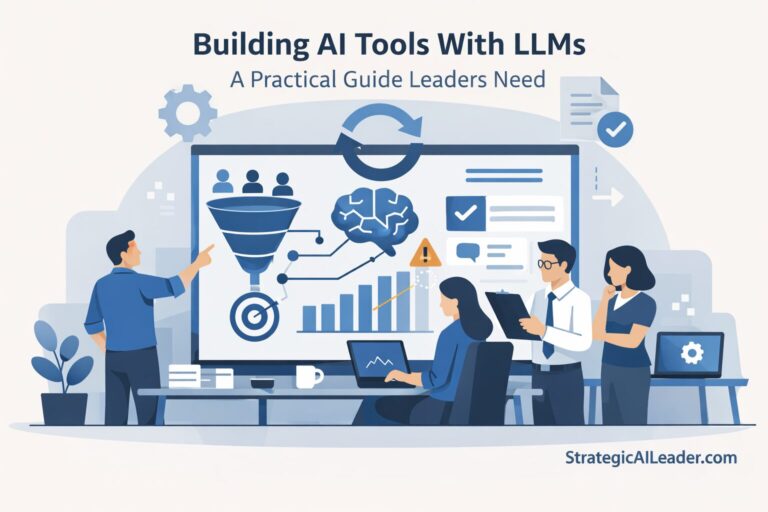
Building AI tools with LLMs fails when leaders treat AI like traditional software. This guide shows how to design, test, and deploy AI systems that work in real workflows.
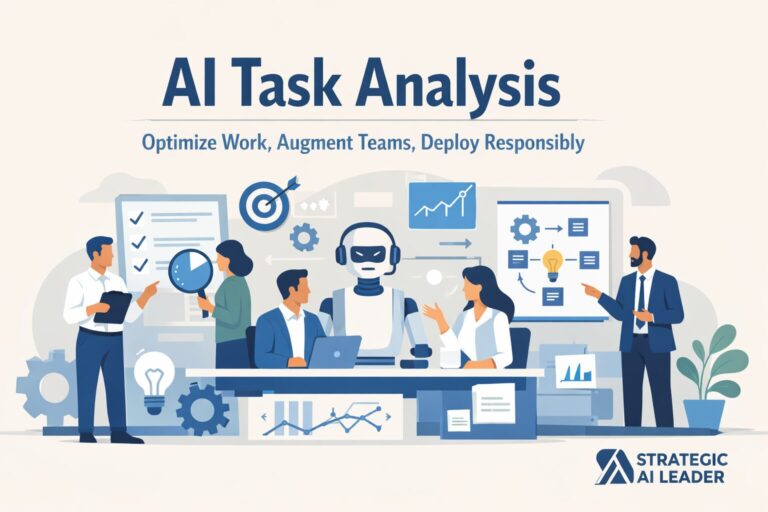
Most AI programs fail before delivering value because leaders focus on transformation rhetoric instead of task-level work. This practical guide introduces AI task analysis, a framework for evaluating AI potential, redesigning workflows, and augmenting teams without replacing people.
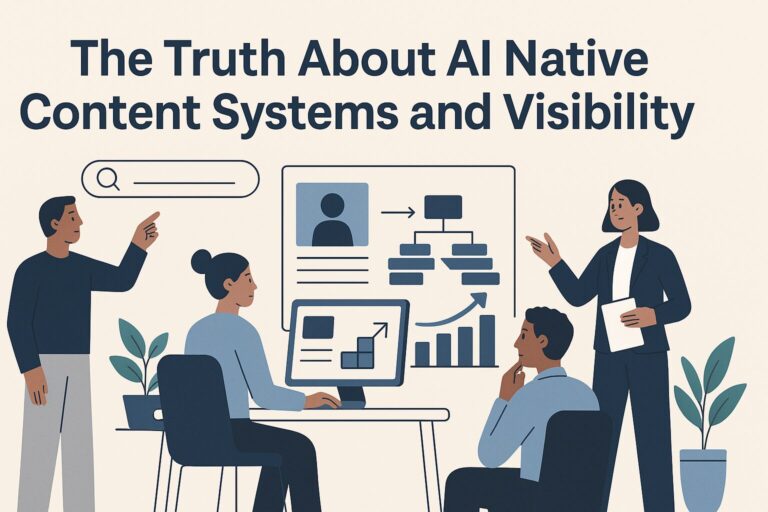
What I Learned Testing Content Systems Against Five AI Models My Contrarian Observation I ran one of my own long form pages through five AI models last month. None of them pulled the headline. None of them focused on the sections I thought were most important. The models rearranged ideas, ignored nuance, and prioritized text…
Search visibility has shifted from audits to systems. This article shows how AI Visibility Systems powered by ChatGPT and MCP let teams detect issues, explain ranking changes, and control performance in real time.