Tag: B2B Growth Strategy
-

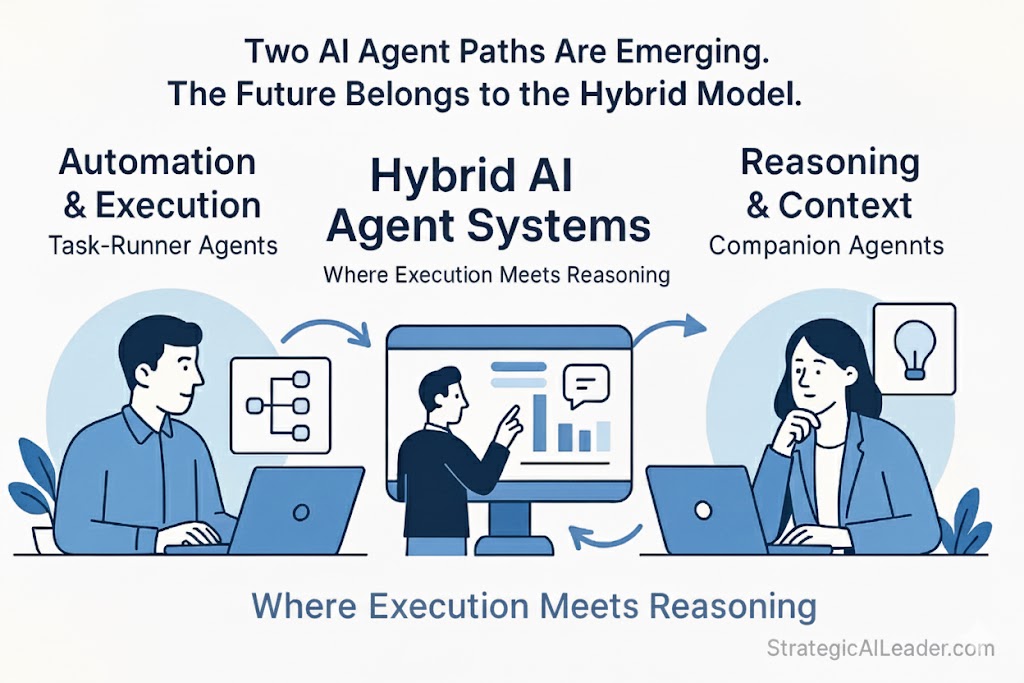
AI agents are splitting into two distinct paths: Task-Runner systems that execute and Companion systems that reason. Hybrid AI Agent Systems combine both, giving leaders a new way to align automation with strategy, improve decision velocity, and turn clarity into a competitive edge.
-

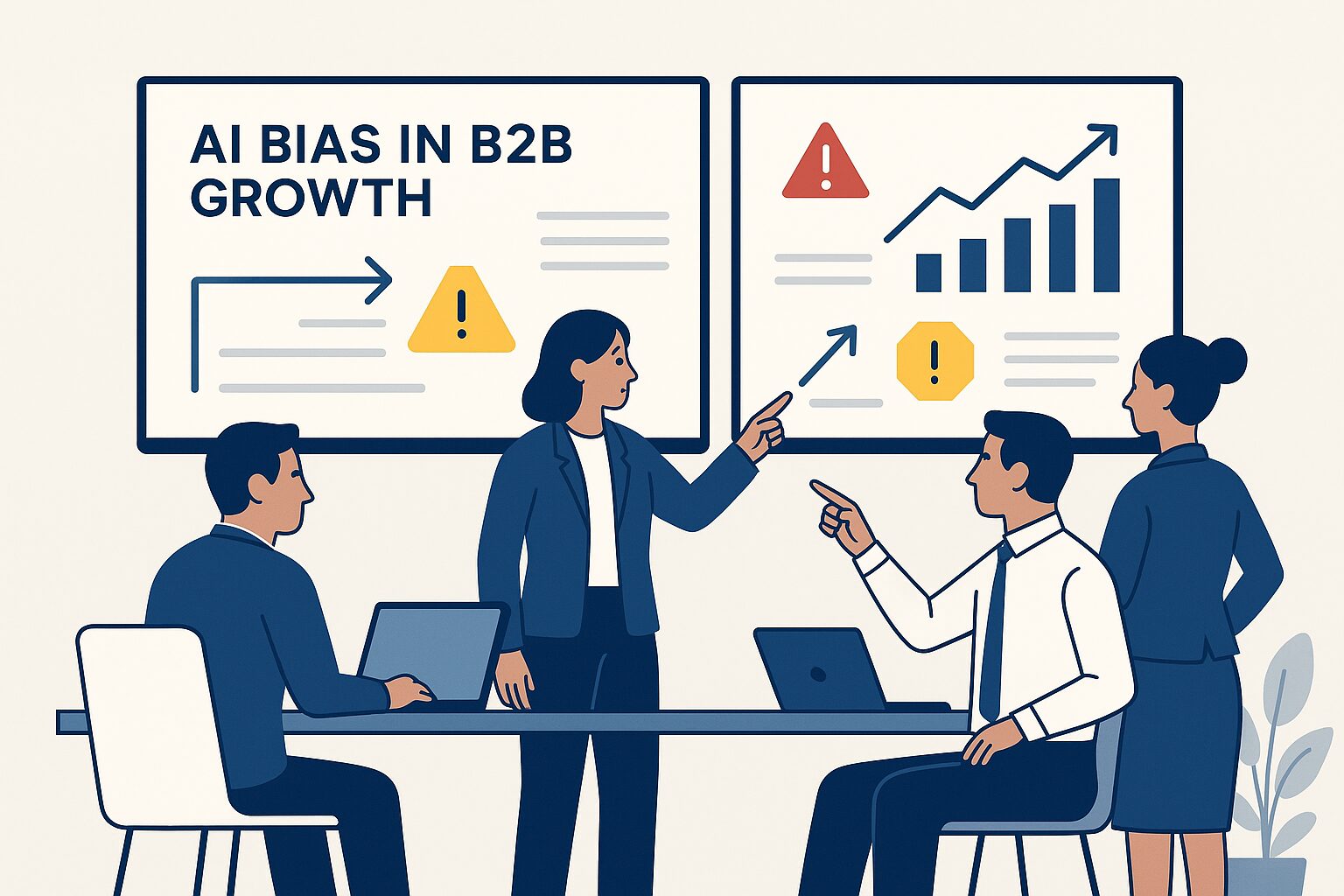
AI bias is no longer an academic concern. It shapes hiring, pricing, and sales decisions inside B2B companies today. Executives who ignore it risk reputational damage and lost revenue. This framework shows how to detect bias, evaluate its impact on growth, and design checks that keep AI-driven systems aligned with your strategy.
-
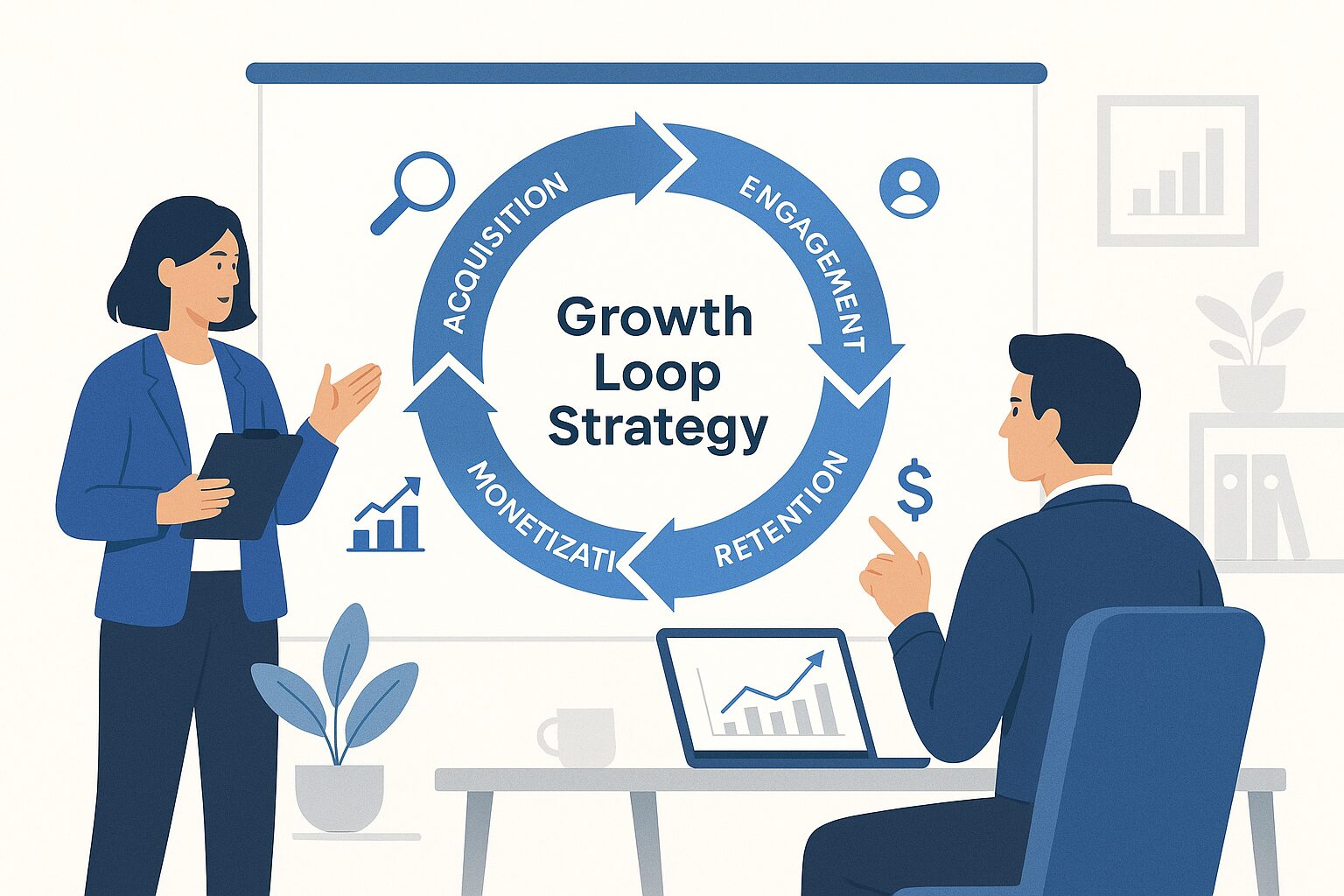
Funnels move people from point A to point B, then stop. Growth loop strategy creates engines that keep spinning. Instead of one-off campaigns, loops turn customer actions into repeatable cycles that fuel the next wave of growth. Think Dropbox’s referral program, Airbnb’s review system, or HubSpot’s inbound engine. Each example shows how compounding loops outperform…
-
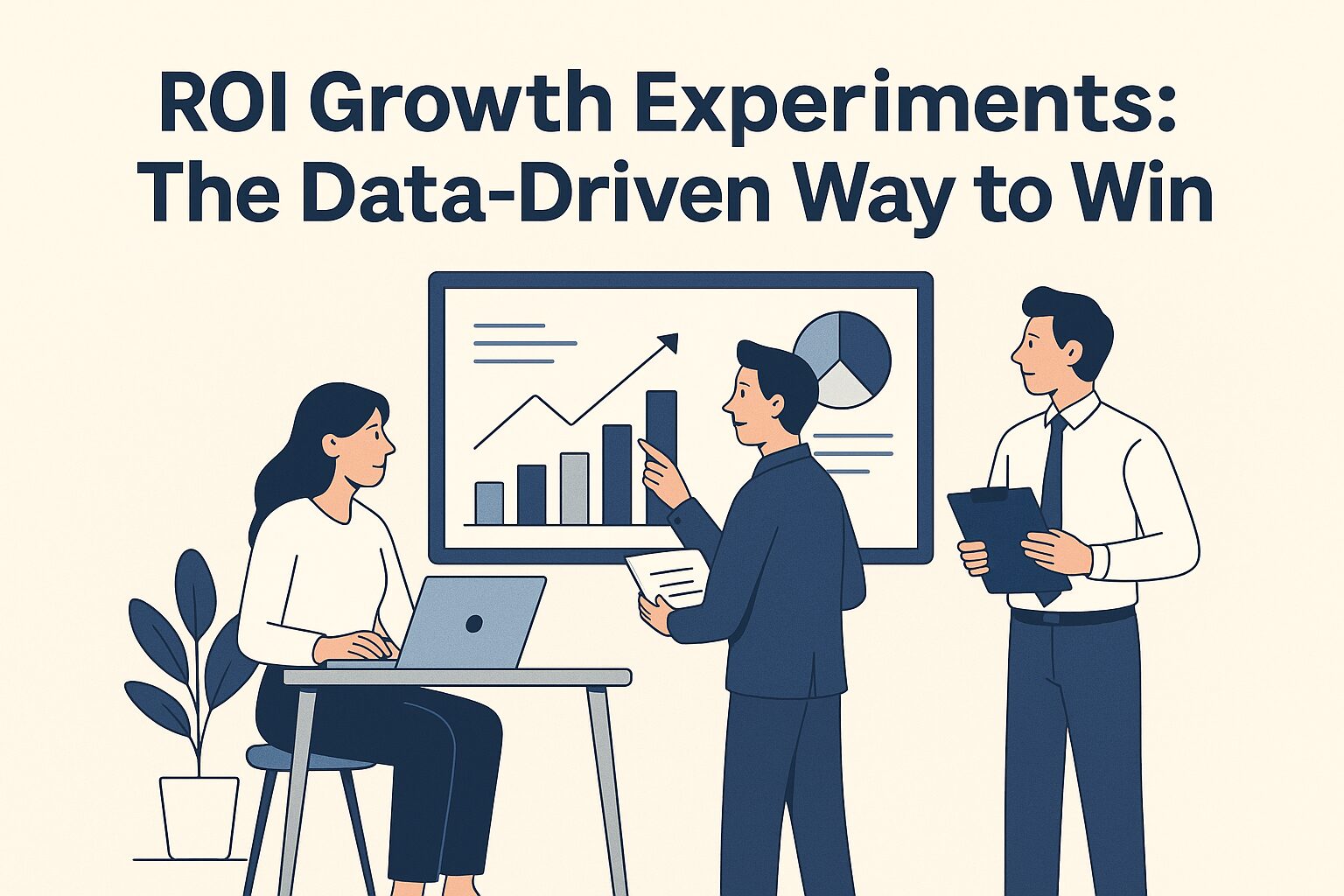
Most growth teams run “busy experiments” that look good on dashboards but don’t impact revenue. ROI growth experiments are different. They start with a direct connection to revenue, focus on measurable outcomes like CAC and LTV, and scale only when results prove repeatable. In this article, I break down why so many B2B tests fail,…
-
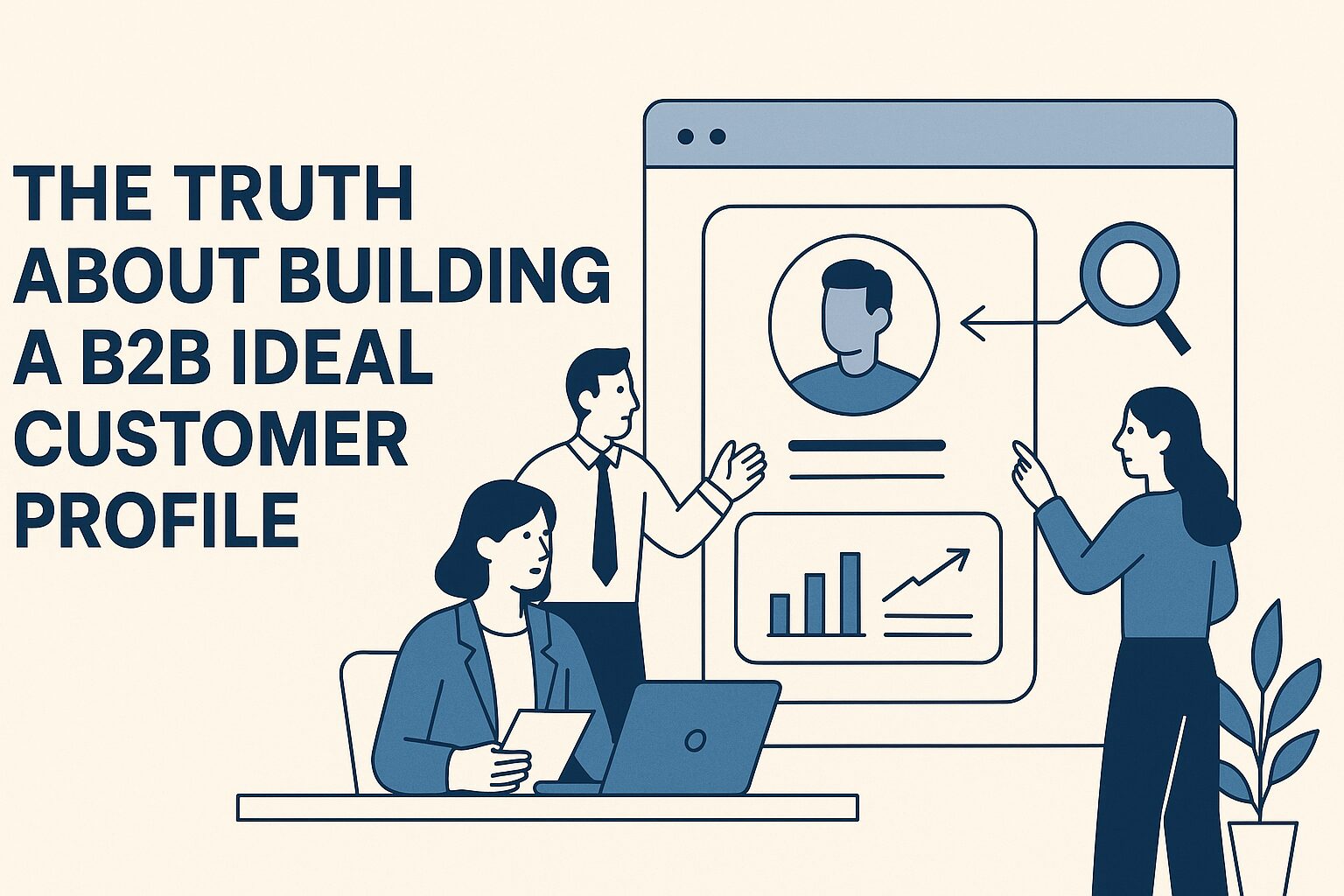
Many growth leaders waste time and budget chasing broad audiences instead of zeroing in on their highest-fit customers. A well-defined B2B Ideal Customer Profile (ICP) drives faster sales cycles, higher conversion rates, and better retention. This guide breaks down the steps to build a precise ICP, avoid common mistakes, and operationalize it across sales, marketing,…
-
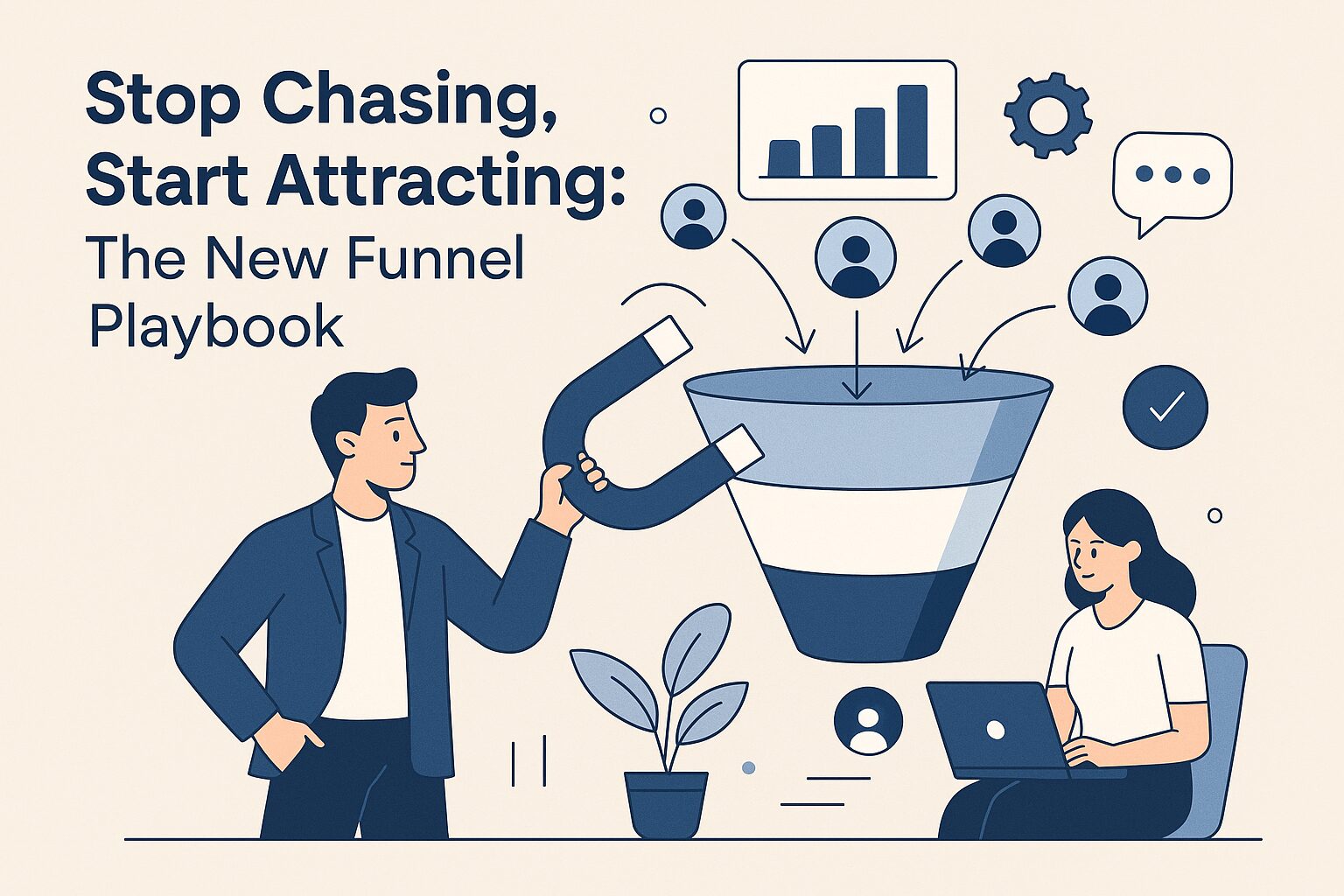
Most funnels still chase — but the future belongs to those who attract. This playbook breaks down the outdated tactics holding your marketing back and introduces a modern, attraction-based strategy designed to bring high-intent leads directly to you. Learn the 7 pillars that separate magnetic funnels from dead ones, and discover how to build a…
-
While many teams treat experimentation as a marketing function or a growth tactic, high-performing organizations embed it deeper into their decision-making, team rituals, and operational structure. This mindset shift is what separates teams that sporadically A/B test from those that systematically learn. In these environments, experiments are not side projects. They are how strategy gets…
-
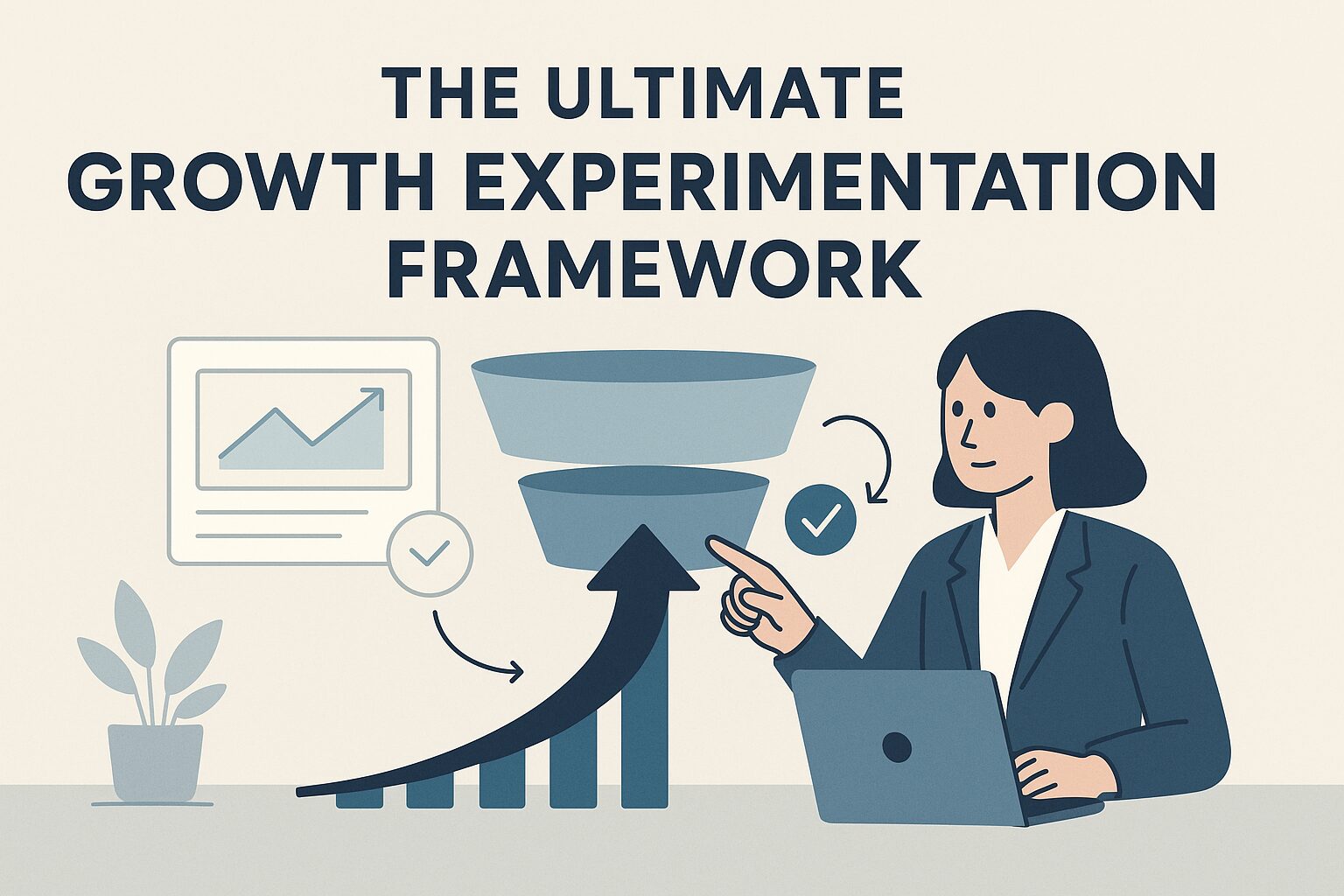
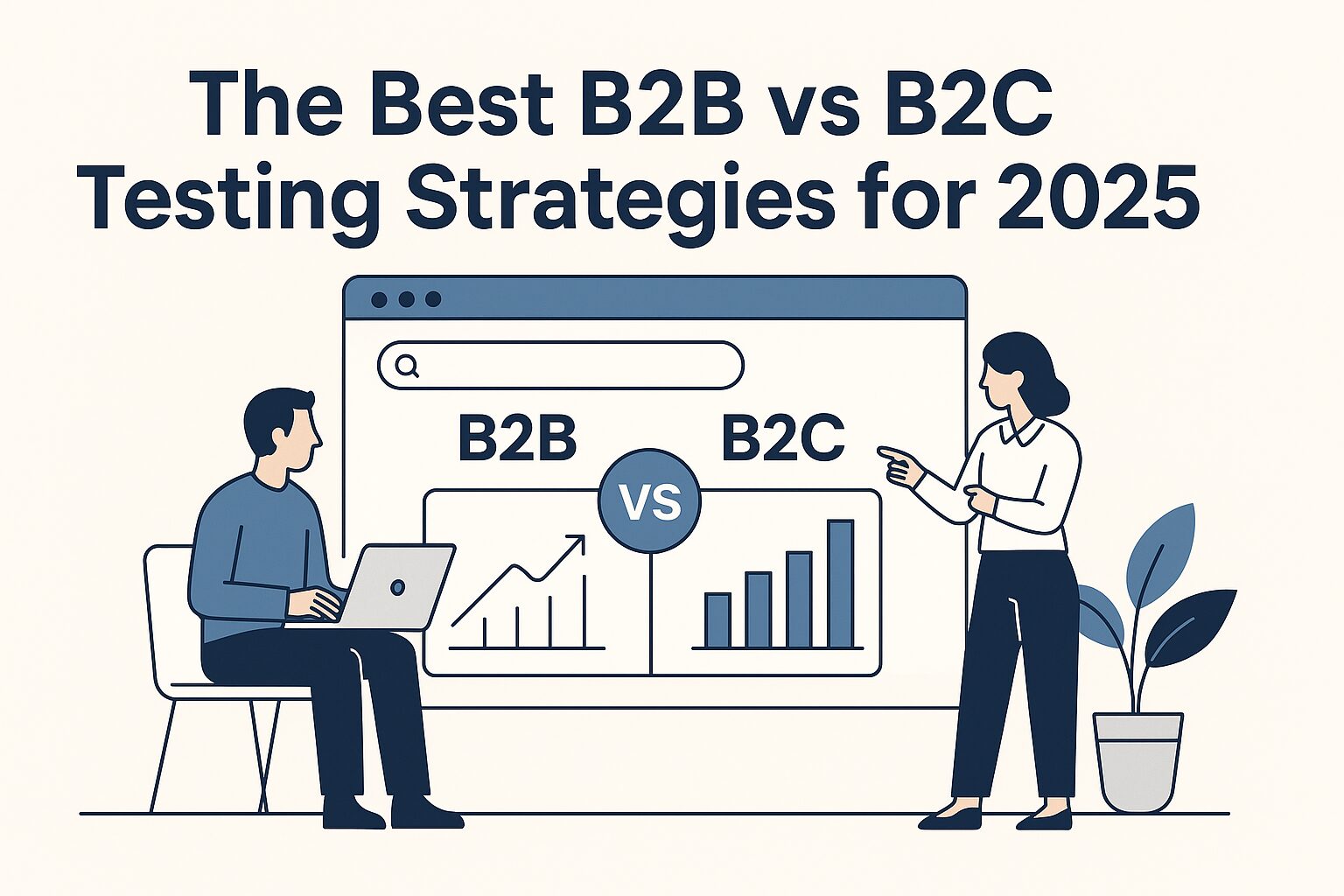
Most companies aren’t running too few experiments — they’re running the wrong ones. In this strategic deep dive, you’ll learn the Growth Lab Approach: a proven framework for B2B and B2C growth experimentation that actually works. From ICE-R scoring to 70-20-10 test portfolios, this guide breaks down how to design smarter experiments, accelerate learning velocity,…
-
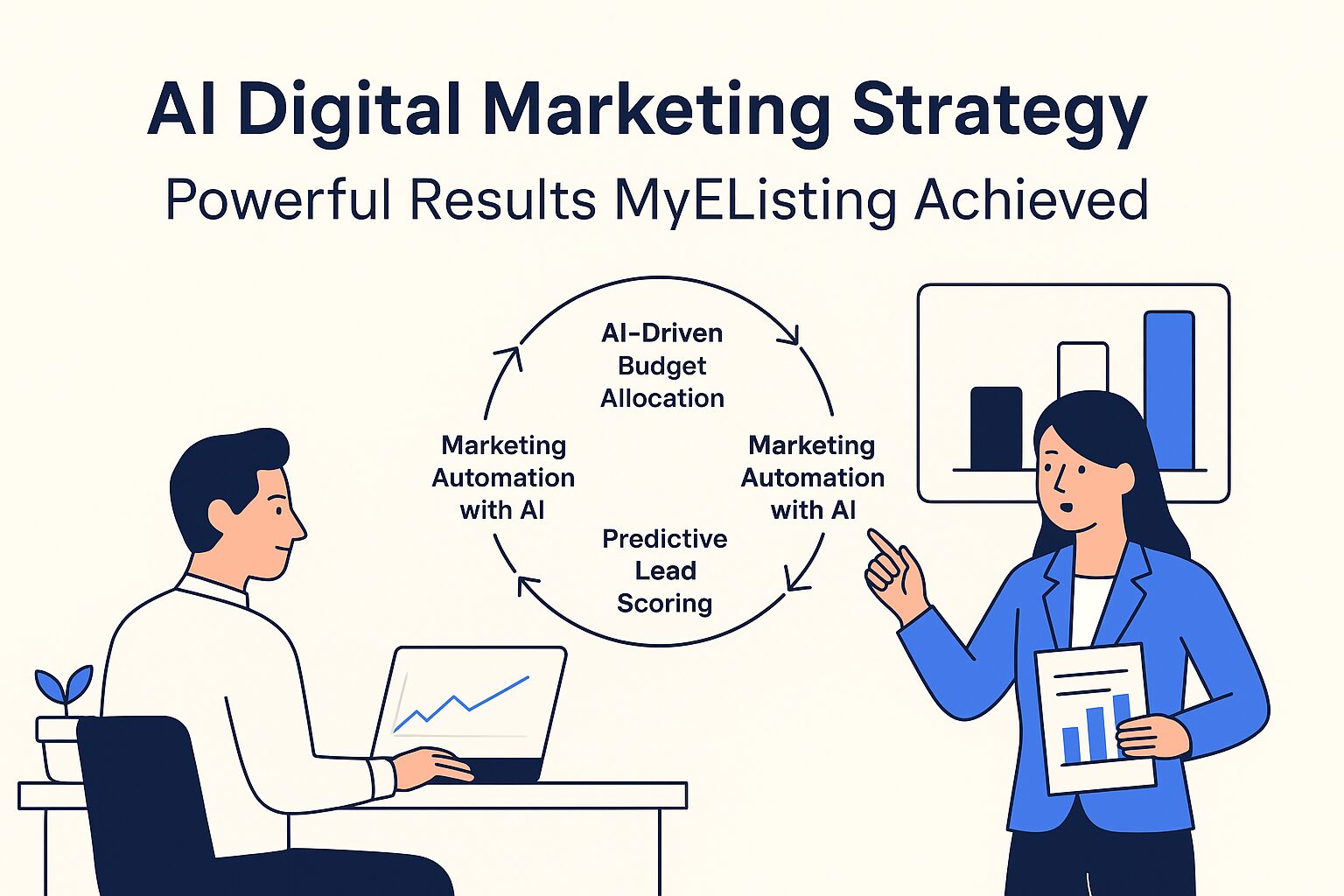
In this case study, I detail how I designed and executed an AI digital marketing strategy for MyEListing that cut cost per lead by 65% and lifted conversions to 3.8%. By combining predictive lead scoring, NLP keyword clustering, marketing automation, and AI-driven budget allocation, I built a scalable framework that turned fragmented ad spend into…
-
Most strategy teams still try to predict the future and get blindsided anyway. This essay challenges the traditional market foresight playbook and introduces a new approach: build systems that adapt fast, thrive in uncertainty, and turn volatility into advantage. The best leaders don’t forecast the future. They create it.