
Proven Demand Generation: How Operators Capture Qualified Demand
Define demand generation as owned capture of qualified demand, then run a one-week test for owner, path, and evidence.
Explore the building blocks of successful B2B growth strategies. From GTM planning and customer segmentation to funnel optimization and RevOps systems, this tag equips founders, COOs, and growth leaders with actionable insights to scale efficiently in competitive markets.
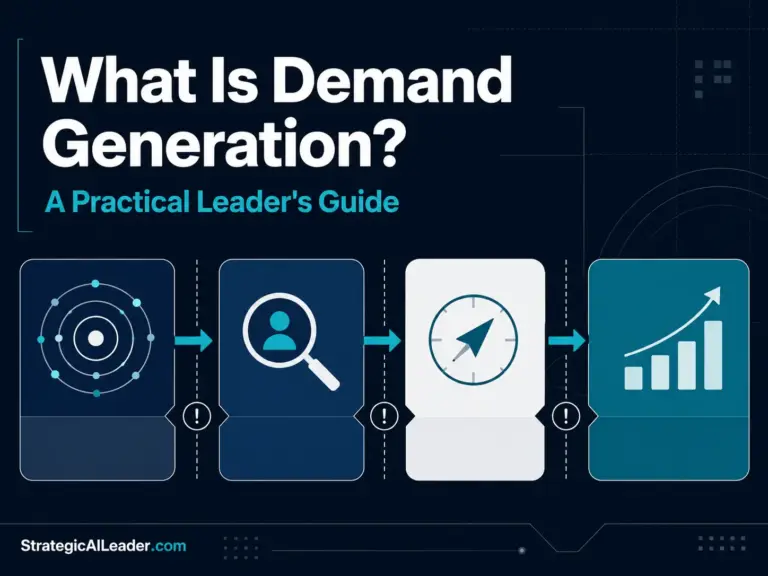
Define demand generation as owned capture of qualified demand, then run a one-week test for owner, path, and evidence.
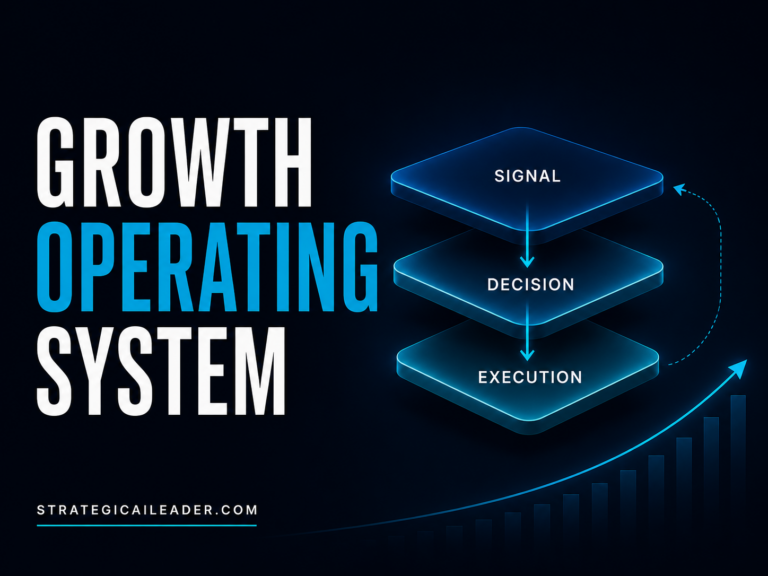
What Is a Growth Operating System? The Framework Behind Scalable Revenue Definition: Growth Operating System A growth operating system is the coordinated set of decision frameworks, experimentation infrastructure, and execution rituals that enables a team to scale revenue without requiring constant senior intervention. It is the layer between growth strategy and compounding results. Most teams…

Marketplace growth does not scale through acquisition alone. It depends on sequencing liquidity, trust, and revenue expansion in the correct order. Platforms that optimize take rate before match reliability and participant confidence stall conversion and suppress yield.
The Marketplace Growth Operating Model helps operators identify which layer is constraining growth and where to invest next. Most marketplace revenue problems are sequencing errors, not pricing errors.

The liquidity threshold is the minimum condition at which a two-sided marketplace reliably matches supply and demand within an acceptable time window for both sides. It is not a single number. It is a state, and most operators never measure whether they have actually reached it. Simpler: the liquidity threshold is the point at which…
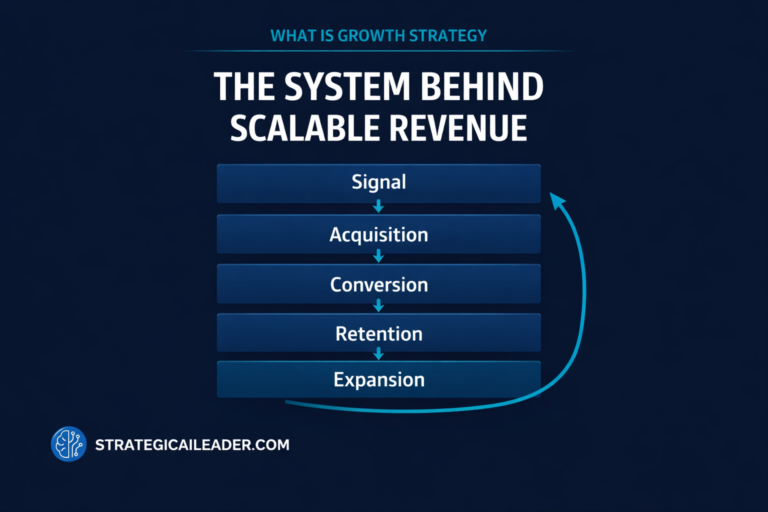
Most teams believe they have a growth strategy. What they actually have is a collection of tactics. A true growth strategy is the operating system that connects acquisition, retention, monetization, and experimentation into a compounding engine. This article explains the Growth Strategy System Stack, a structured framework for diagnosing stalled growth, aligning execution, and building revenue that scales predictably over time.
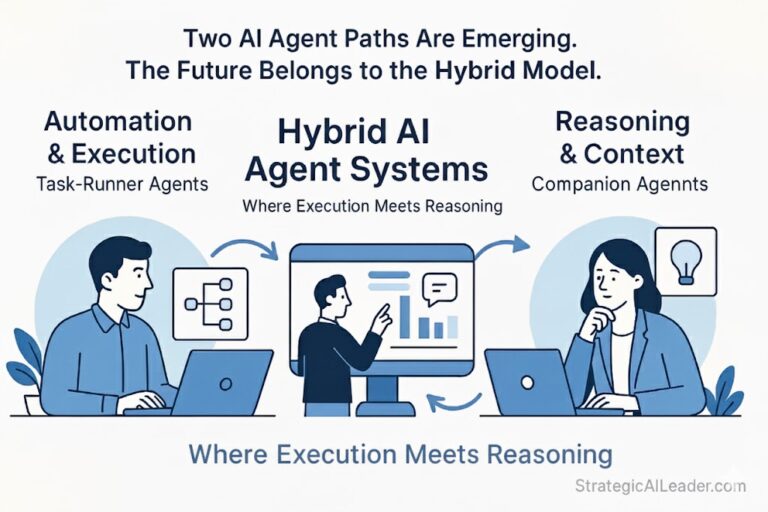
AI agents are splitting into two distinct paths: Task-Runner systems that execute and Companion systems that reason. Hybrid AI Agent Systems combine both, giving leaders a new way to align automation with strategy, improve decision velocity, and turn clarity into a competitive edge.

AI bias is no longer an academic concern. It shapes hiring, pricing, and sales decisions inside B2B companies today. Executives who ignore it risk reputational damage and lost revenue. This framework shows how to detect bias, evaluate its impact on growth, and design checks that keep AI-driven systems aligned with your strategy.
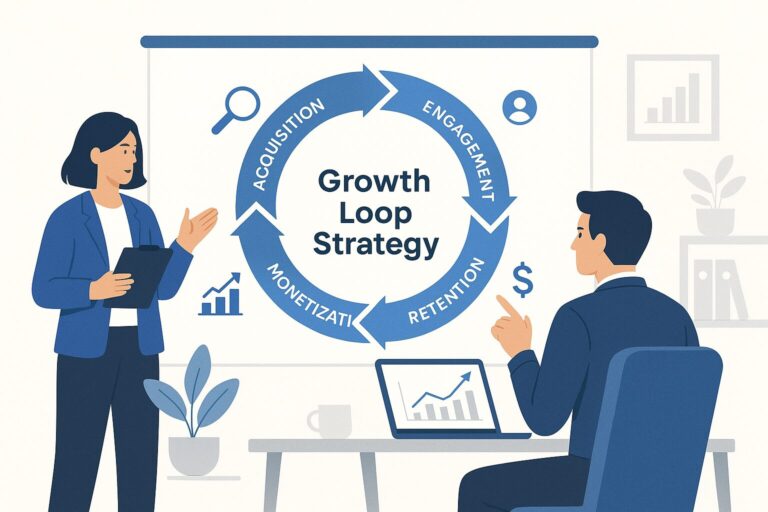
Funnels move people from point A to point B, then stop. Growth loop strategy creates engines that keep spinning. Instead of one-off campaigns, loops turn customer actions into repeatable cycles that fuel the next wave of growth. Think Dropbox’s referral program, Airbnb’s review system, or HubSpot’s inbound engine. Each example shows how compounding loops outperform funnels. In this guide, I break down the framework, share real-world cases, and give leaders a playbook to build loops that drive sustainable growth.
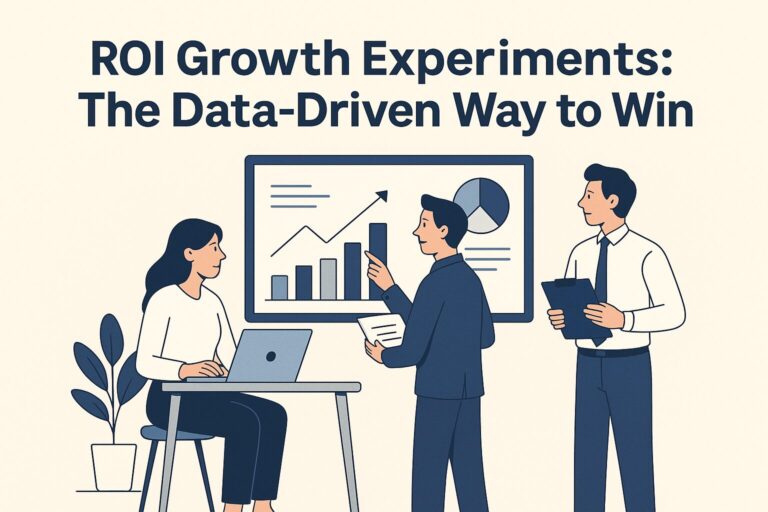
Most growth teams run “busy experiments” that look good on dashboards but don’t impact revenue. ROI growth experiments are different. They start with a direct connection to revenue, focus on measurable outcomes like CAC and LTV, and scale only when results prove repeatable. In this article, I break down why so many B2B tests fail, how to design ROI growth experiments that deliver, and how to build a system that turns experimentation into a profit engine instead of a cost center.
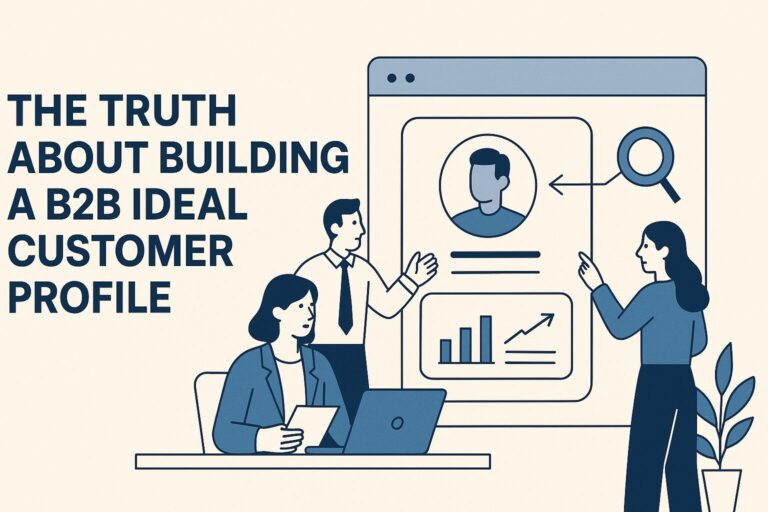
Many growth leaders waste time and budget chasing broad audiences instead of zeroing in on their highest-fit customers. A well-defined B2B Ideal Customer Profile (ICP) drives faster sales cycles, higher conversion rates, and better retention. This guide breaks down the steps to build a precise ICP, avoid common mistakes, and operationalize it across sales, marketing, and product teams for sustainable growth.
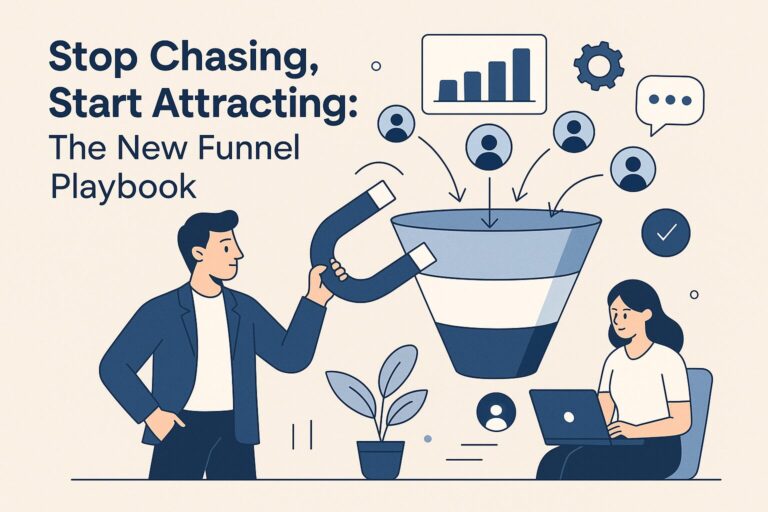
Most funnels still chase — but the future belongs to those who attract. This playbook breaks down the outdated tactics holding your marketing back and introduces a modern, attraction-based strategy designed to bring high-intent leads directly to you. Learn the 7 pillars that separate magnetic funnels from dead ones, and discover how to build a system that earns trust, delivers value, and converts while you sleep.
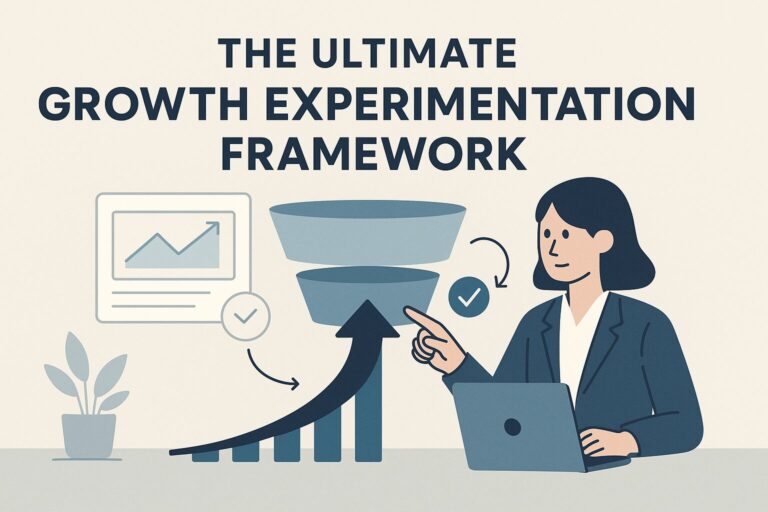
While many teams treat experimentation as a marketing function or a growth tactic, high-performing organizations embed it deeper into their decision-making, team rituals, and operational structure.
This mindset shift is what separates teams that sporadically A/B test from those that systematically learn. In these environments, experiments are not side projects. They are how strategy gets tested, refined, and scaled. From onboarding flows to ad creative to pricing pages, everything is a hypothesis until proven. The goal isn’t just optimization. It is compounding insight velocity.
Experimentation is not a tactic. It is a system. The most successful teams do not just run experiments. They operate inside them.