
Proven Demand Generation: How Operators Capture Qualified Demand
Define demand generation as owned capture of qualified demand, then run a one-week test for owner, path, and evidence.
Design and execute growth strategies that align with business goals and stage. This tag includes strategic frameworks, GTM alignment tactics, channel prioritization, and systems thinking to help founders, operators, and leaders scale revenue efficiently.
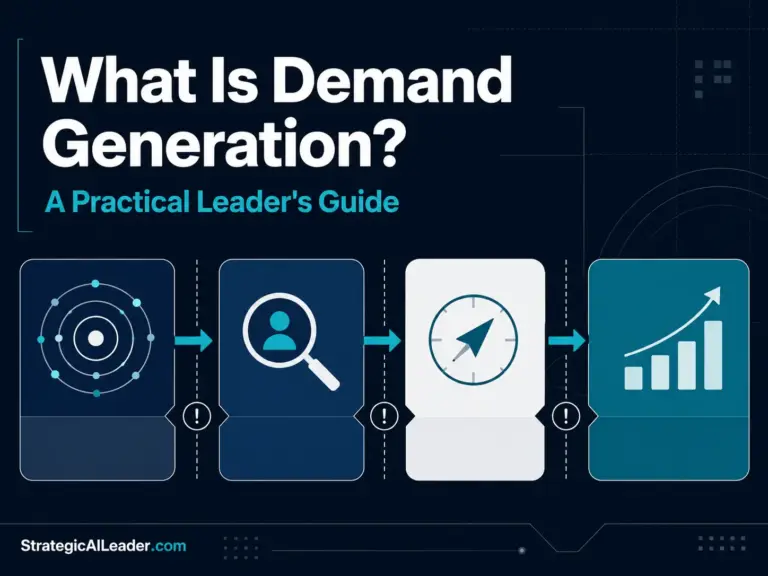
Define demand generation as owned capture of qualified demand, then run a one-week test for owner, path, and evidence.
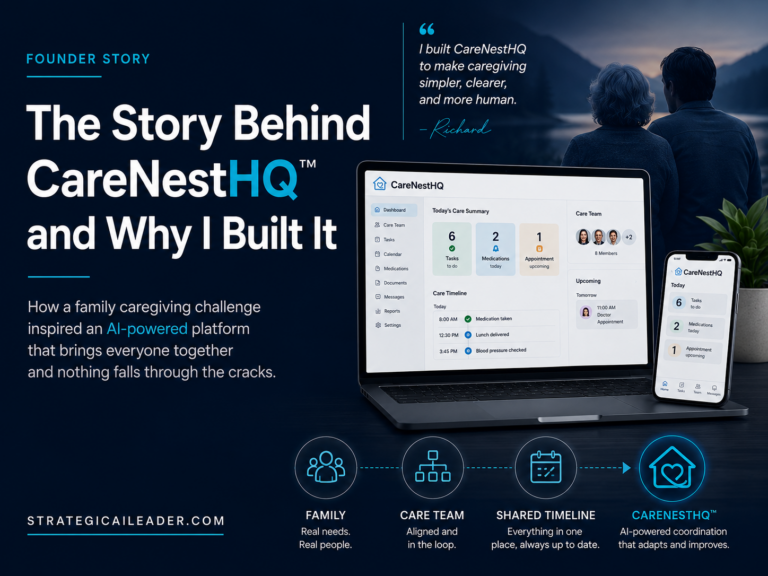
CareNestHQ™ began with a personal family caregiving challenge, but it became much more than a software project. This is the story behind the platform, the product decisions that shaped it, and the AI-powered workflows designed to help families coordinate care with greater clarity and confidence.
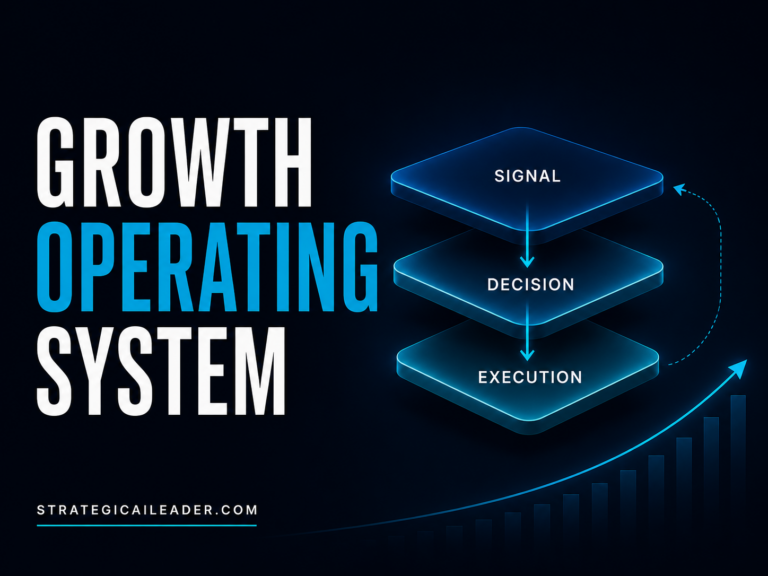
What Is a Growth Operating System? The Framework Behind Scalable Revenue Definition: Growth Operating System A growth operating system is the coordinated set of decision frameworks, experimentation infrastructure, and execution rituals that enables a team to scale revenue without requiring constant senior intervention. It is the layer between growth strategy and compounding results. Most teams…

Marketplace growth does not scale through acquisition alone. It depends on sequencing liquidity, trust, and revenue expansion in the correct order. Platforms that optimize take rate before match reliability and participant confidence stall conversion and suppress yield.
The Marketplace Growth Operating Model helps operators identify which layer is constraining growth and where to invest next. Most marketplace revenue problems are sequencing errors, not pricing errors.
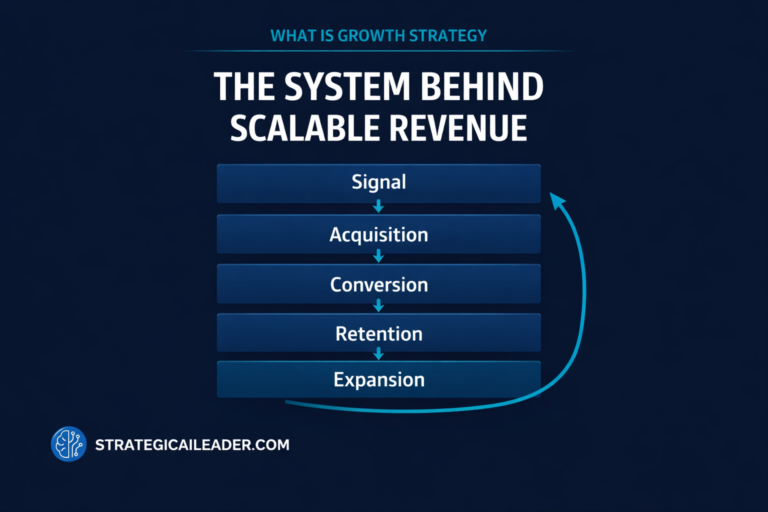
Most teams believe they have a growth strategy. What they actually have is a collection of tactics. A true growth strategy is the operating system that connects acquisition, retention, monetization, and experimentation into a compounding engine. This article explains the Growth Strategy System Stack, a structured framework for diagnosing stalled growth, aligning execution, and building revenue that scales predictably over time.
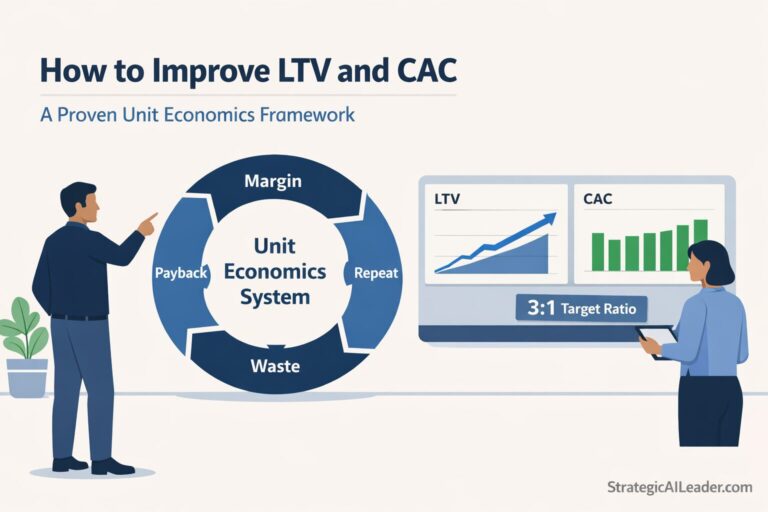
Improve LTV and CAC: The Unit Economics System That Actually Builds Enterprise Value Revenue is seductive. It rises. Screenshots look strong. Holidays spike. The team celebrates. And underneath it, unit economics quietly drift. If you want to improve LTV and CAC, you are not fixing marketing. You are fixing the business’s economic architecture. Lia’s Flowers,…
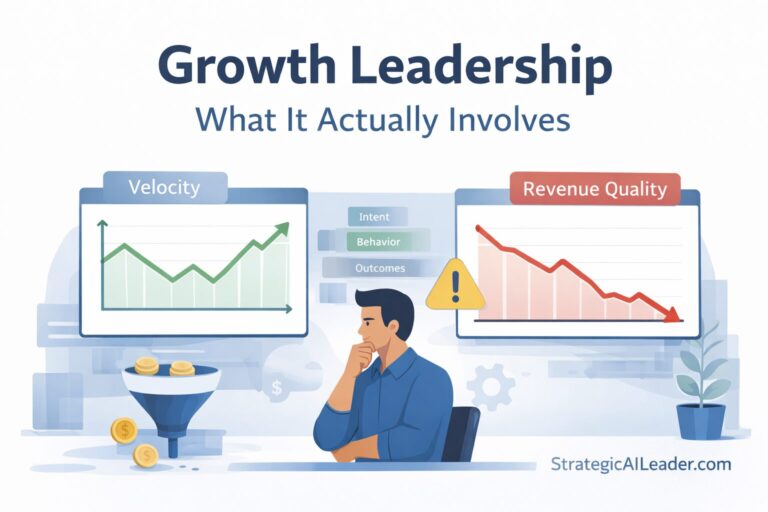
Growth leadership is not about shipping more experiments or celebrating green dashboards. It is about reconciling conflicting signals when velocity rises but revenue quality declines. Real growth leadership means owning decisions under uncertainty, aligning intent, behavior, and outcomes before money and trust are at risk.
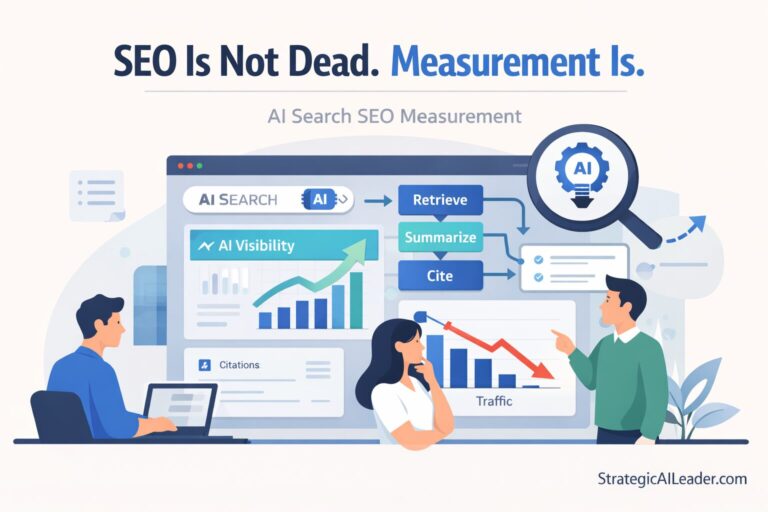
AI search decides visibility before users click. Rankings and traffic now show what’s left after AI systems retrieve, summarize, and cite content. That’s why performance can decline even when rankings hold.
This article explains how AI search changes SEO measurement and which visibility signals matter now.
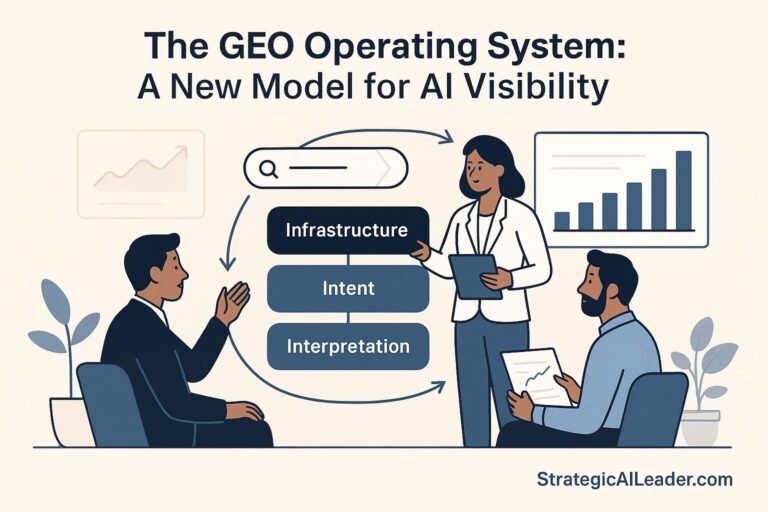
The GEO Operating System is a new model for AI visibility. It aligns marketing, IT, and PR under one framework to make visibility measurable, repeatable, and scalable. This article explains how the GEO-OS connects infrastructure, intent, and interpretation to help leaders turn fragmented efforts into a unified visibility engine.
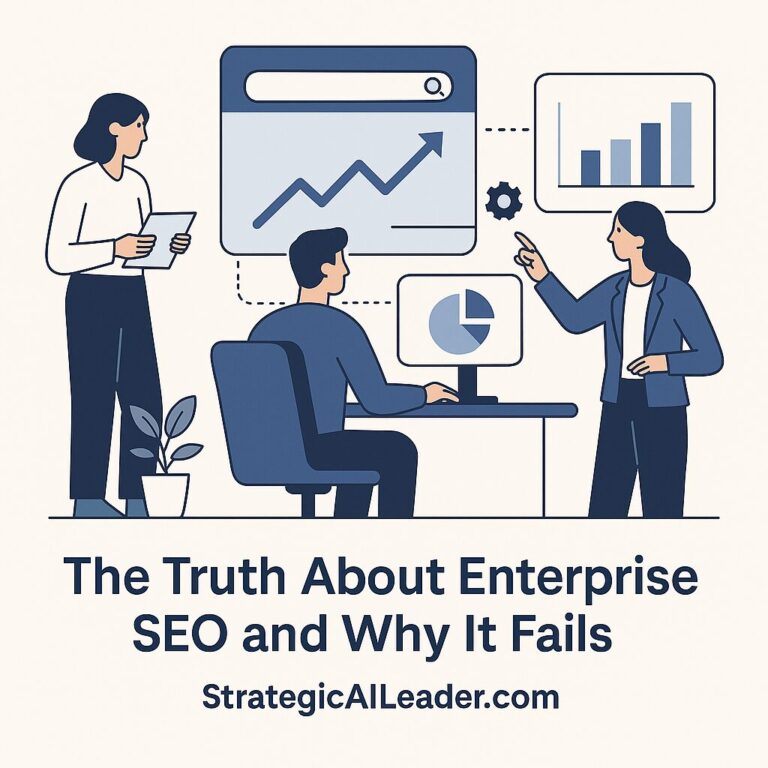
Enterprise SEO does not fail because of Google. It fails because of the organization behind it. This article breaks down the ten hidden friction points that block SEO growth, from siloed data and IT bottlenecks to KPI misalignment and executive disconnection. Learn how to align systems, incentives, and culture into one operational loop that drives visibility, speed, and revenue.
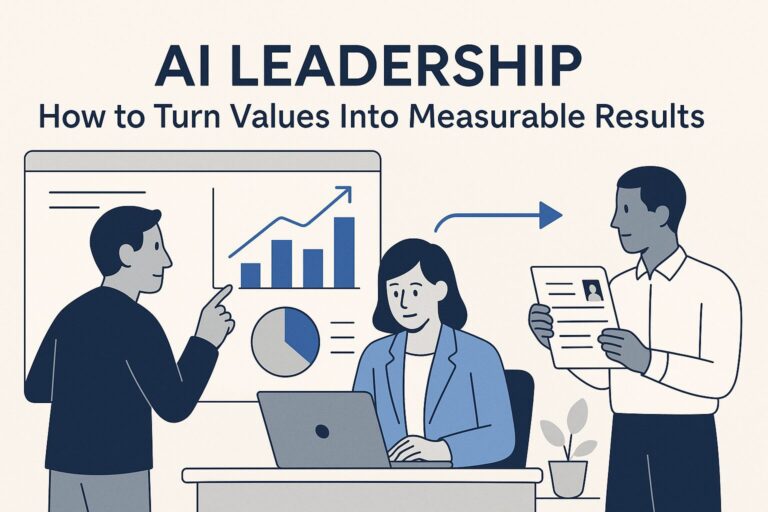
AI leadership requires more than values. Apple and Newsweek argue for “Super Leaders” who combine empathy and adaptability, but values alone do not drive outcomes. Leaders must pair ethics and vision with systems like feedback loops, review boards, and dashboards. The leaders who thrive in the AI era will not choose between philosophy and execution. They will combine both to deliver measurable results.

AI bias is no longer an academic concern. It shapes hiring, pricing, and sales decisions inside B2B companies today. Executives who ignore it risk reputational damage and lost revenue. This framework shows how to detect bias, evaluate its impact on growth, and design checks that keep AI-driven systems aligned with your strategy.