
AI to Help Caregivers: Building Technology That Supports Families
Discover why CareNestHQ supports caregivers instead of replacing them. Learn the five design principles guiding every product decision.
Strategic thinking separates doers from true builders. This tag explores how operators, founders, and execs zoom out to prioritize, allocate, and lead with foresight. Learn how to develop clarity in complexity, anticipate tradeoffs, and operate with leverage across people, time, and capital.

Discover why CareNestHQ supports caregivers instead of replacing them. Learn the five design principles guiding every product decision.
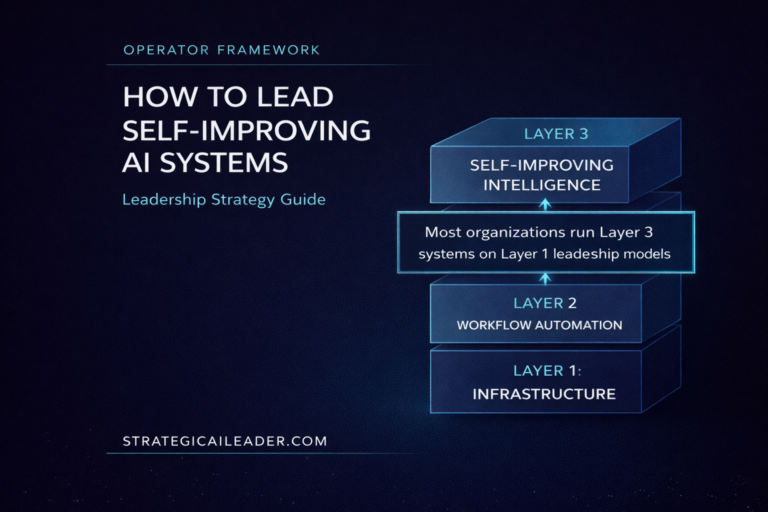
Most leaders are preparing teams to use AI tools faster. Few are preparing to supervise systems that improve themselves. This article introduces the Three Layers of AI Work framework and explains why oversight architecture, not tool adoption, determines who benefits as self-improving AI systems scale.
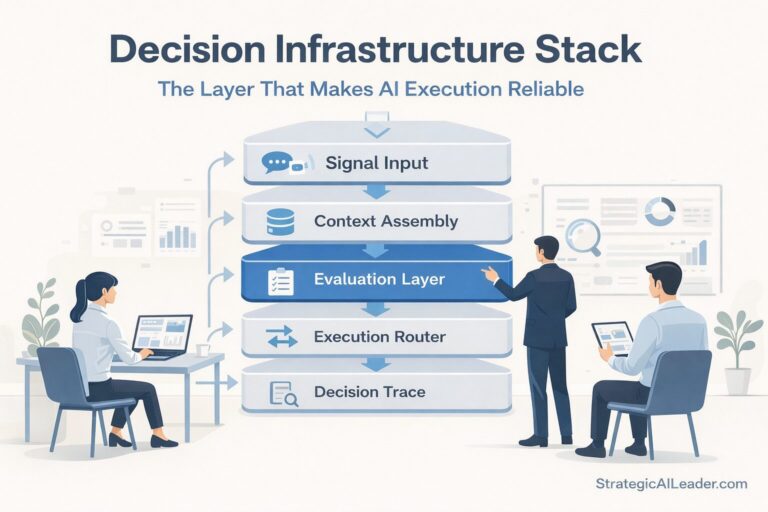
The Layer That Makes AI Execution Reliable Most operators deploying AI hit the same wall. The tools work. The prompts improve. Outputs look reasonable in testing. Then production arrives and everything becomes inconsistent. The same input produces three different outputs. Human review increases. Execution slows down instead of speeding up. The instinct is to fix…
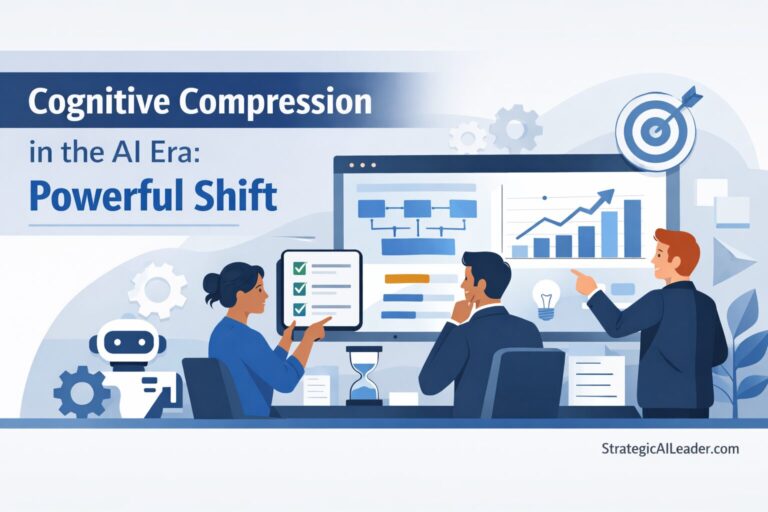
Cognitive Compression in the AI Era is reshaping knowledge work. As AI collapses execution cycles from weeks to minutes, the real bottleneck shifts to requirement quality and judgment. Leaders who redesign for structured thinking, constraint clarity, and economic alignment will outperform teams still optimizing for output volume.
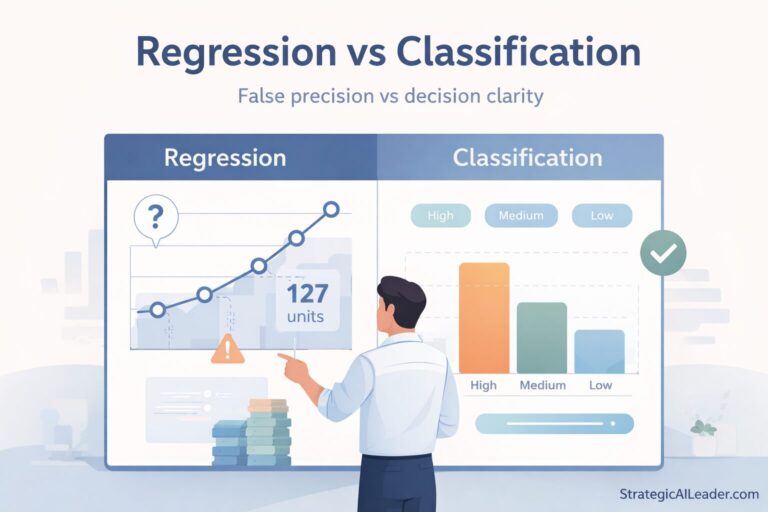
I wasted $8K applying regression when a real business needed classification. This article breaks down the failure, the lesson, and how better problem framing leads to better machine learning decisions.
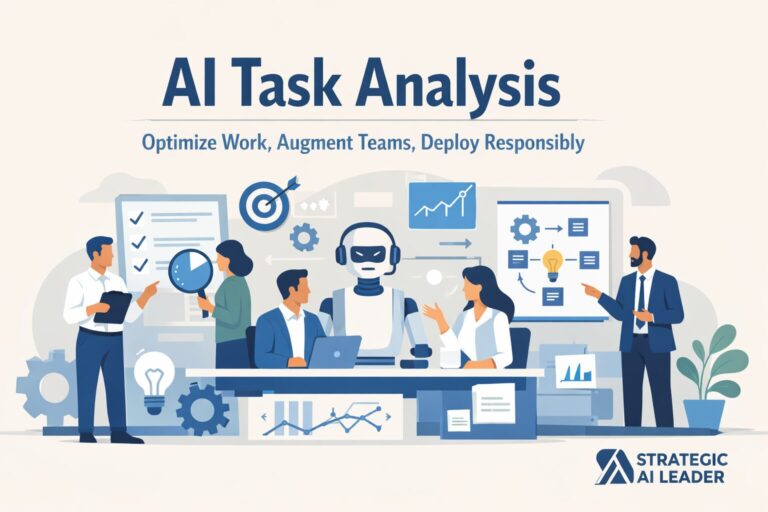
Most AI programs fail before delivering value because leaders focus on transformation rhetoric instead of task-level work. This practical guide introduces AI task analysis, a framework for evaluating AI potential, redesigning workflows, and augmenting teams without replacing people.
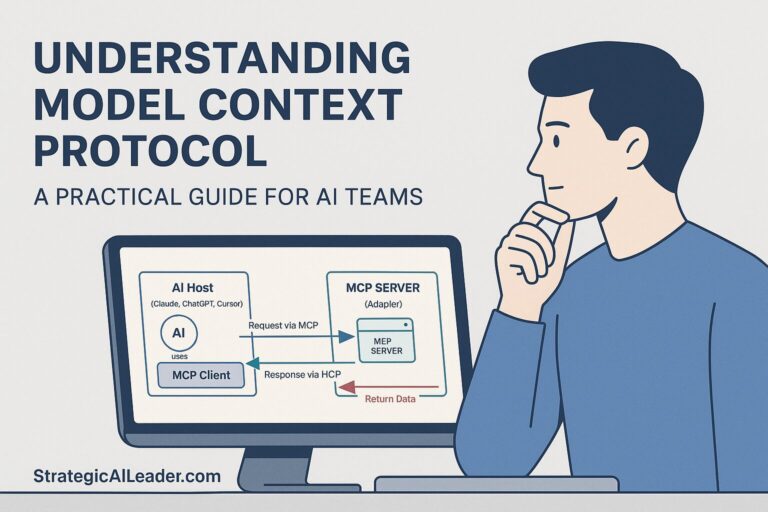
Model Context Protocol (MCP) is the missing link between AI tools and real business data. Instead of building dozens of custom integrations, teams use MCP to connect AI systems to CRMs, databases, and APIs through a single standard. This guide explains how it works, why it matters, and how leaders can use MCP to speed up AI deployment across the enterprise.
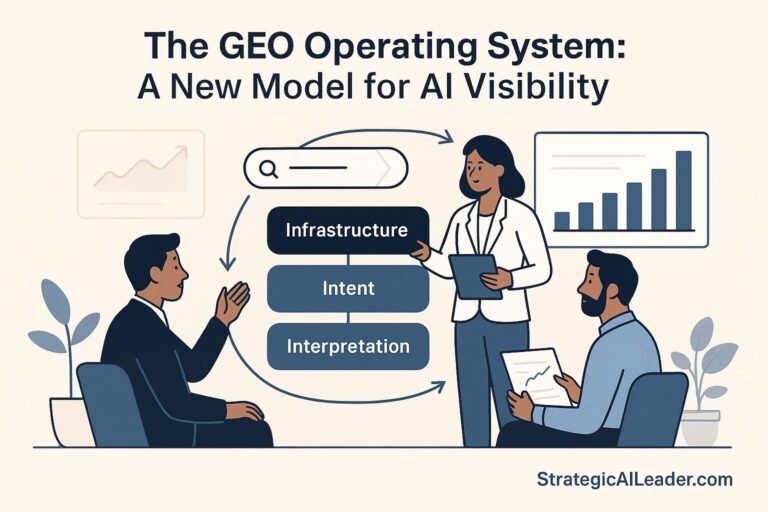
The GEO Operating System is a new model for AI visibility. It aligns marketing, IT, and PR under one framework to make visibility measurable, repeatable, and scalable. This article explains how the GEO-OS connects infrastructure, intent, and interpretation to help leaders turn fragmented efforts into a unified visibility engine.
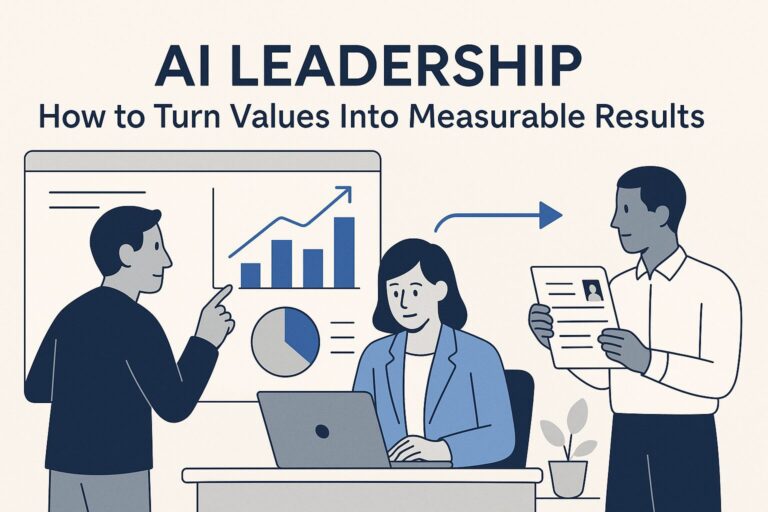
AI leadership requires more than values. Apple and Newsweek argue for “Super Leaders” who combine empathy and adaptability, but values alone do not drive outcomes. Leaders must pair ethics and vision with systems like feedback loops, review boards, and dashboards. The leaders who thrive in the AI era will not choose between philosophy and execution. They will combine both to deliver measurable results.

AI bias is no longer an academic concern. It shapes hiring, pricing, and sales decisions inside B2B companies today. Executives who ignore it risk reputational damage and lost revenue. This framework shows how to detect bias, evaluate its impact on growth, and design checks that keep AI-driven systems aligned with your strategy.

The Hidden Cost of AI at Work Artificial intelligence has become the co-pilot of modern business. From marketing teams using generative models to draft campaigns, to finance leaders automating forecasting, to operators relying on AI assistants to summarize complex data, adoption is accelerating at an unprecedented pace. At the same time, growing research on AI…
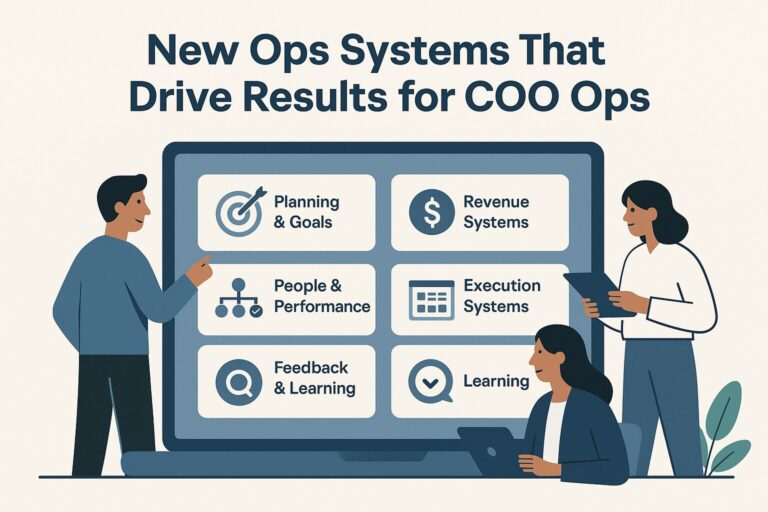
Build Ops Systems that scale without chaos. This guide gives you the five core systems, a simple 30-60-90 rollout, and the exact metrics to prove progress. Learn how to focus goals, tighten ownership, speed decisions, and turn forecasts into facts. Write the playbook once. Improve it every week.